
Pruning
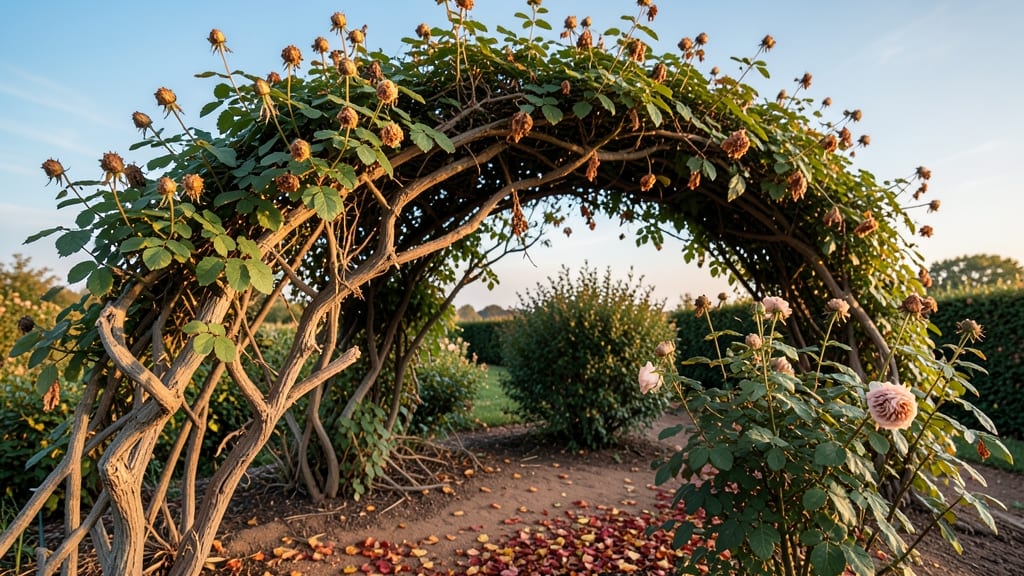
Fall is the perfect time to revitalize your garden by trimming back overgrown plants. These seven essential species benefit from seasonal pruning to encourage new growth, prevent disease, and prepare for winter dormancy—keeping your landscape healthy and vibrant year-round.
Perennial Grasses for Structural Cleanliness
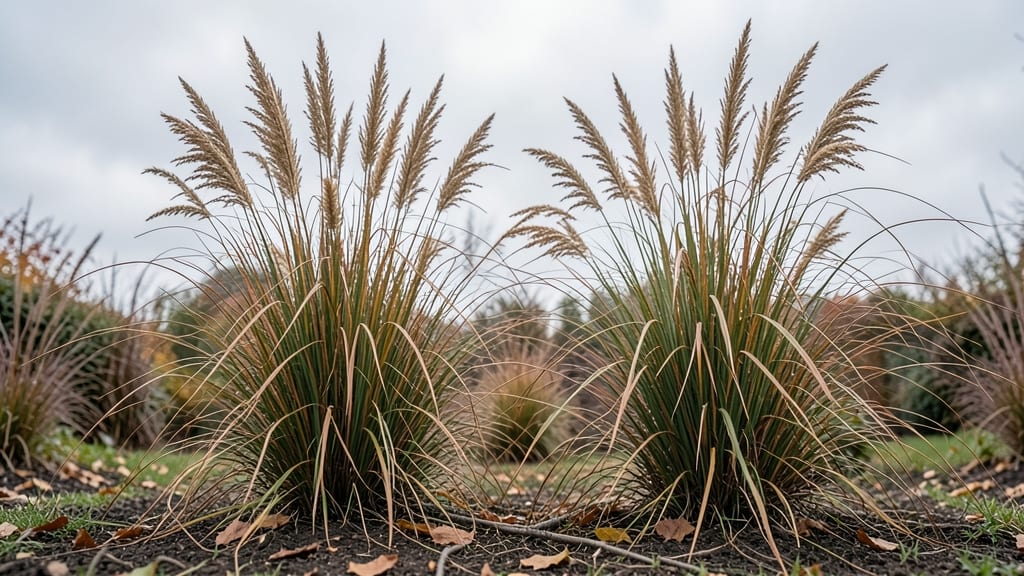
If your garden feels cluttered with last season’s dried stalks, ornamental grasses like fountain grass and maiden grass are the unsung heroes of structural cleanliness. A quick late-fall trim removes dead foliage while keeping their signature shape intact—no messy piles or tangled debris to mar your winter landscape.
Use sharp pruners or a hedge trimmer to cut back brown, seed-bearing stalks by about one-third, leaving the architectural form visible. This prevents winter damage from heavy snow and encourages fresh spring growth by redirecting energy to the roots. For extra tidiness, rake up the clippings and compost them—just avoid composting any grass that shows signs of disease.
This simple step is perfect for low-maintenance gardeners who want a polished look without the upkeep of formal hedges. With just 10 minutes of work, you’ll transform your garden into a winter-ready sanctuary. ✨
Late-Blooming Perennials for Winter Readiness
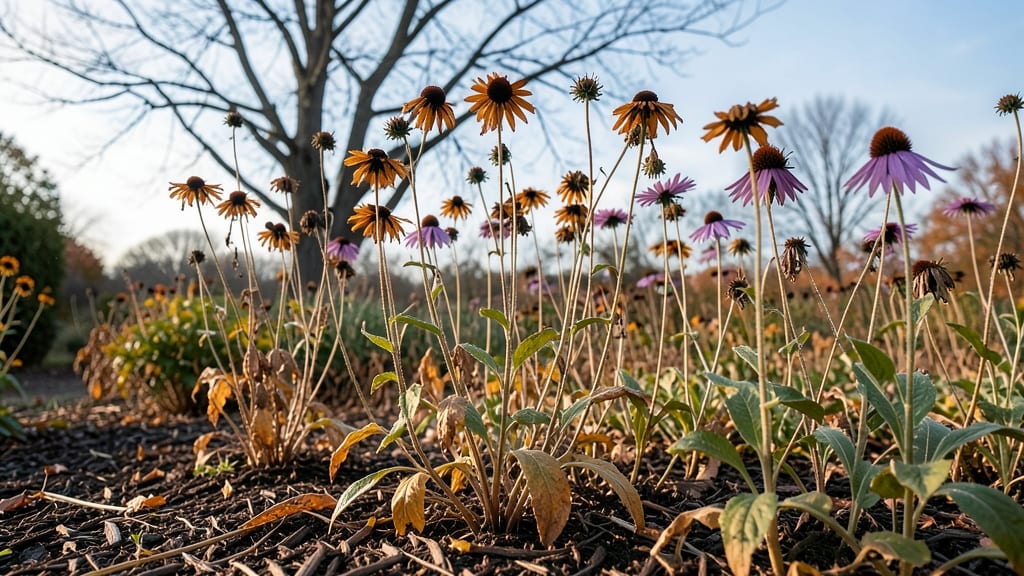
If your black-eyed Susans and coneflowers are still standing tall with dried blooms, now’s the time to give them a little TLC before winter sets in. Removing those spent seed heads isn’t just about tidiness—it’s a strategic move to redirect the plant’s energy toward root growth rather than producing seeds.
Use clean, sharp pruners to snip off the faded flowers just above a set of healthy leaves. This deadheading technique prevents unwanted self-seeding (which can lead to crowded beds next spring) and ensures the plant stores nutrients underground for a stronger, more vigorous rebloom in 2025. Focus on hardy perennials like rudbeckia or echinacea, which thrive with this late-season care.
This small task pays off big for gardeners in cooler climates—your perennials will thank you with bigger blooms and healthier foliage next season. Plus, it’s one of the easiest ways to keep your garden looking intentional through winter. 🌻
Overgrown Shrubs for Airflow Improvement
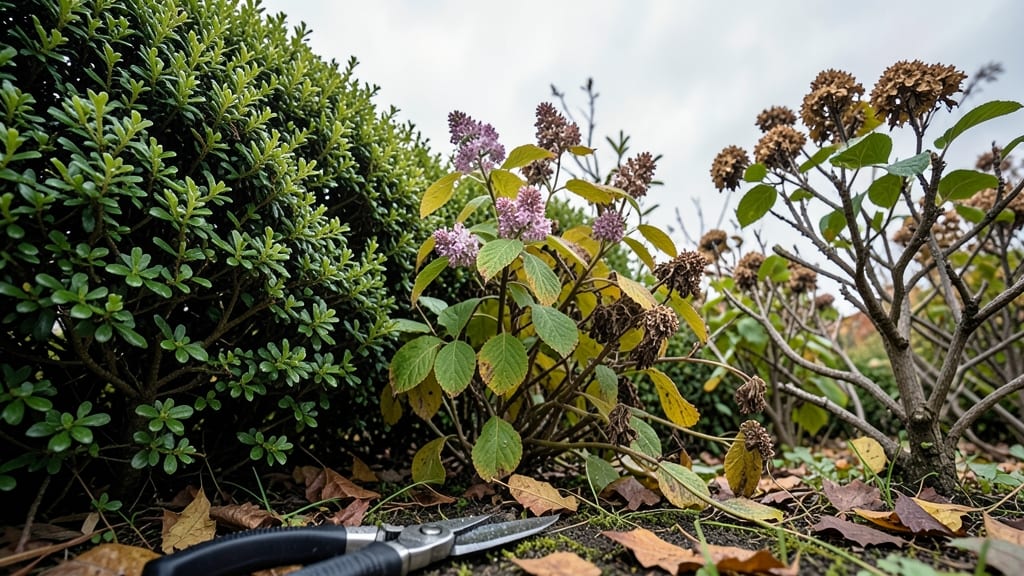
If your boxwoods, lilacs, or hydrangeas look like overgrown hedges instead of manicured beauties, it’s time for a strategic trim. Dense foliage traps moisture, creating the perfect conditions for powdery mildew and other fungal diseases that thrive in winter’s damp air.
Use sharp pruners to thin out crowded branches, focusing on the center where airflow is poorest. For boxwoods, shape them now to maintain their signature form, while hydrangeas benefit from cutting back stems by one-third to encourage next year’s blooms. Lilacs, too, respond well to a light trim to keep their airy, fragrant shape.
This simple task not only improves your shrubs’ health but also reduces the risk of winter dieback. Perfect for gardeners who want low-maintenance, disease-resistant plants that stay lush year-round. ✨
Weedy Vines for Garden Clarity
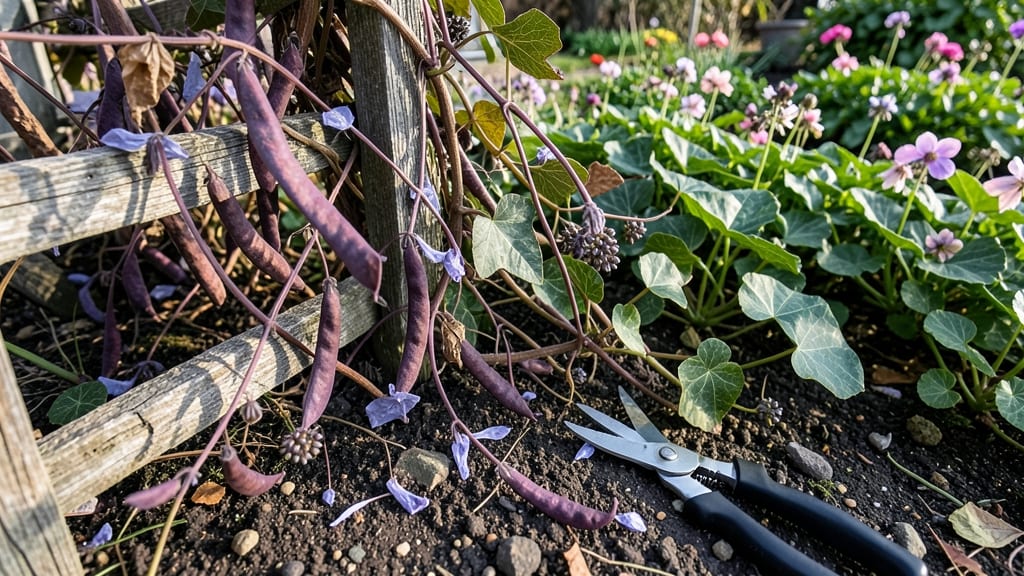
Those sprawling morning glories and clematis vines that once added charm to your garden may now be choking out your prized perennials. Before they smother your landscape or scatter seeds that sprout unpredictably next spring, it’s time to take control.
Use sharp pruners to cut back vines to their base or within 6 inches of the ground, depending on whether you want them to regrow. For clematis, focus on removing only the dead or overgrown stems—never prune more than one-third of the plant at once. This prevents shock and keeps your garden’s ecosystem in balance while reducing future cleanup.
This is especially helpful for urban gardeners or those with small spaces where vines can quickly take over. A little effort now means fewer weeds and more room for the plants you actually planted! 🌿
Fruit Tree Branches for Winter Health
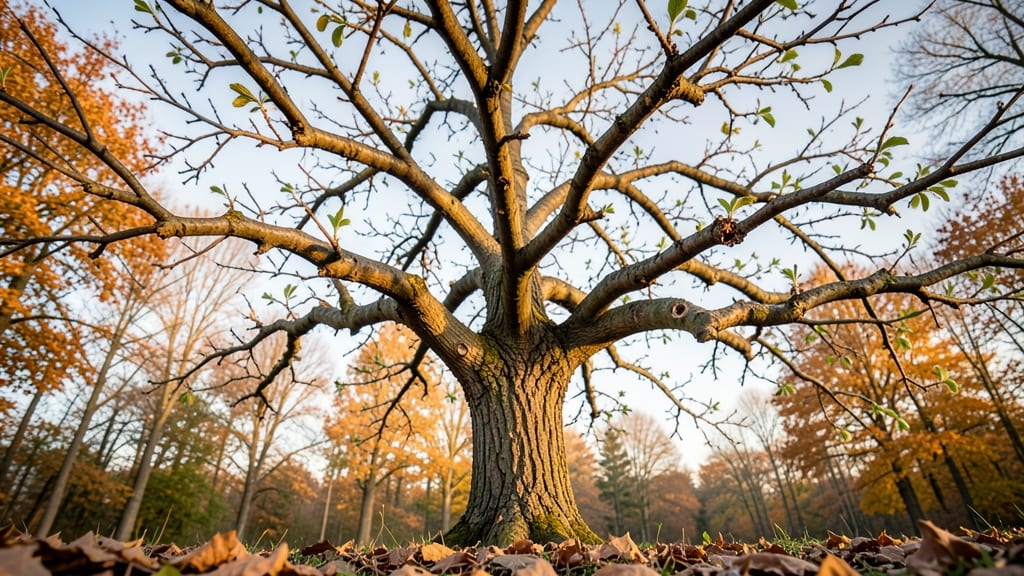
If your young apple or peach tree looks stressed after summer’s fruit load, late fall is the perfect time to give it a health boost. Removing dead, diseased, or crossing branches now reduces winter stress and sets the stage for next year’s bigger harvest.
Focus on branches that rub together or grow inward—they compete for sunlight and nutrients, weakening the tree. Use sterilized pruning tools to make clean cuts just outside the branch collar, and avoid cutting more than 25% of the tree’s canopy at once. This light touch prevents shock while improving airflow to reduce fungal risks.
New gardeners with small orchards will see the biggest rewards: fewer winter dieback issues and stronger growth come spring. A little late-fall pruning now means sweeter, more abundant fruit next season. 🌟
Herbaceous Peonies for Spring Renewal
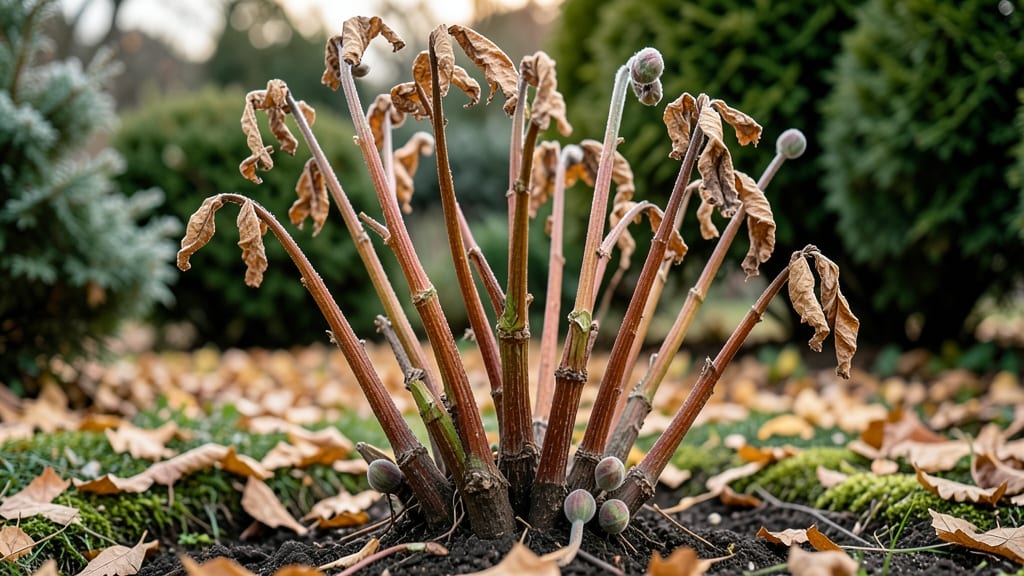
If your herbaceous peonies look like they’re struggling to stand tall, now’s the time to give them a strategic haircut. Unlike most perennials, peonies need their thick, woody stems cut back to just a few inches above the ground—this prevents them from snapping under winter snow and wind, while also redirecting energy into next year’s larger, more abundant blooms.
Use clean, sharp pruners to cut stems at a 45-degree angle about 2 inches above the crown, avoiding the center buds where new growth emerges. This method also reduces fungal risks by improving airflow around the plant. The key is timing—wait until after the first frost when the foliage has naturally yellowed but before heavy snowfall.
Peony lovers will appreciate this simple step, as it transforms floppy, struggling plants into spring superstars with fewer stems but bigger, showier blooms. Even urban gardeners with limited space benefit from this low-maintenance approach. 🌷
Deadheading Annuals for Seasonal Transition
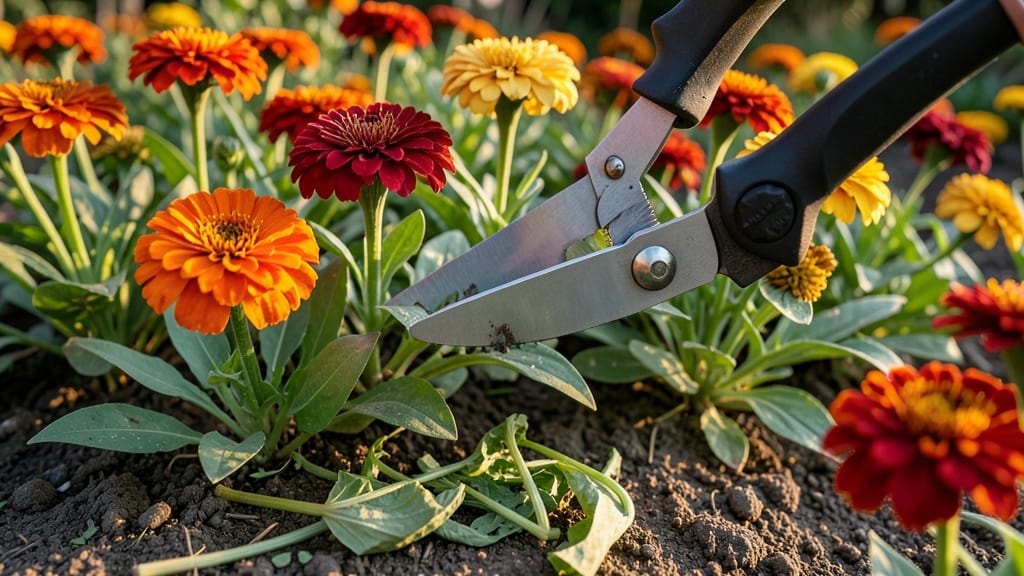
Instead of yanking out your marigolds or zinnias entirely this fall, try a smarter approach: trim them back to just above the first set of leaves. This keeps your garden looking polished while preventing pests like aphids or spider mites from hiding in dead foliage over winter.
Use sharp pruners to snip back spent blooms and leggy stems, leaving a clean base. For drought-tolerant annuals like cosmos or sunflowers, this also redirects energy to root growth, giving them a stronger start next season. Just avoid cutting into woody stems—stick to green growth only.
This method works especially well for container gardeners or small-space growers who want to preserve their annuals' structure without the mess of full removal. Your garden will stay tidy and pest-free! 🌻