
Vegetables
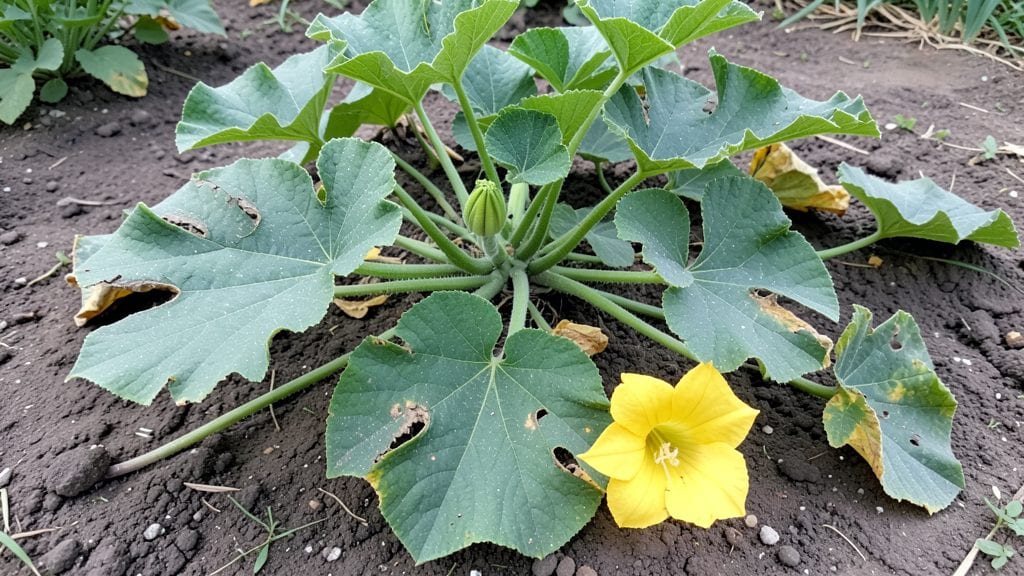
The patty squash plant grows into those adorable, flat squash that look like tiny patty pans—ideal for stuffing, frying, or gracing your garden with a playful touch.
Imagine harvesting vibrant 🎃 squash that thrive in containers, making them perfect for balconies or small spaces. This versatile plant is a game-changer for urban gardeners who dream of growing their own food without needing a sprawling yard.
With just 6-8 hours of sunlight and well-drained soil, you can coax these squash into production from July to September. Whether you're a beginner or a seasoned gardener, patty pan squash is one of the easiest and most rewarding plants to grow.
In this guide, I’ll walk you through everything from planting in April or May to harvesting at peak ripeness—plus tips to keep pests and diseases at bay.


How to grow patty pan squash in containers: a step-by-step guide
Growing patty pan squash in containers is one of my favorite ways to enjoy fresh vegetables without needing a large garden space. These unique, flat squash thrive in pots and produce delicious, versatile fruits perfect for stuffing or sautéing.
The key to success lies in choosing the right container, preparing nutrient-rich soil, and providing consistent care. Let’s dive into my proven method for growing patty pan squash in containers, even if you’re a beginner.
Before you start, remember that patty pan squash plants need space for their sprawling vines and plenty of sunlight. While they’re adaptable to containers, they can become leggy if not given enough light or room.
I’ve learned through trial and error that the right setup—like a 5-gallon container with proper drainage—makes all the difference. Let’s break down each step to ensure your plants grow strong and productive.
Step-by-Step Guide to Growing Patty Pan Squash in Containers
-
Choose the Right Container
Select a container that’s at least 5 gallons in size, with drainage holes to prevent root rot. A fabric grow bag or plastic pot works well, as long as it’s large enough to accommodate the plant’s sprawling vines (up to 3 feet wide).
-
Prepare Nutrient-Rich Soil
Fill your container with a mix of potting soil, compost, and perlite for drainage. I recommend a ratio of 60% potting soil, 30% compost, and 10% perlite. This ensures your squash has the nutrients it needs without becoming waterlogged.
-
Plant Seeds at the Right Depth
Sow 2-3 seeds per container, 1 inch deep, and space them 6 inches apart. Once the seedlings emerge, thin them to the strongest plant to avoid competition. This step is crucial for giving your squash enough room to grow.
-
Place in Full Sunlight
Patty pan squash needs 6-8 hours of direct sunlight daily. Place your container in a south-facing location or on a balcony with unobstructed sun exposure. If you’re growing indoors, a south-facing window or grow lights will work, but outdoor conditions yield better results.
-
Water Consistently
Keep the soil evenly moist but not soggy. Water deeply every 2-3 days, especially during hot weather. I water in the morning to reduce the risk of fungal diseases. Mulching with straw helps retain moisture and keeps roots cool.
-
Fertilize for Optimal Growth
Start fertilizing when the plants are 4-6 inches tall using a balanced 10-10-10 fertilizer. Apply 1 tablespoon every 4-6 weeks during the growing season. Avoid over-fertilizing, as this can lead to excessive foliage and fewer fruits.
-
Support Vines for Better Airflow
Use a trellis or cage to support the vines and improve airflow. This reduces the risk of powdery mildew and helps the fruits develop properly. I’ve found that a 5-foot tall trellis works well for container-grown squash.
-
Harvest at the Right Time
Harvest your patty pan squash when the fruits are 4-6 inches wide and the rind is hard to puncture with a fingernail. Use pruning shears to cut the stem, leaving a small portion attached. Regular harvesting encourages more production.
One of the biggest mistakes I see beginners make is underestimating the space patty pan squash needs. Even in containers, their vines can spread widely, so don’t skimp on pot size.
I’ve had the best success with 5-gallon containers or larger, especially if you plan to grow more than one plant. If space is limited, consider training the vines vertically to save room.
Another tip: Monitor your plants for signs of pests like squash bugs or diseases like powdery mildew. Early intervention—such as spraying neem oil or removing affected leaves—can save your harvest.
I always keep a close eye on the undersides of leaves, where pests love to hide. Regular inspections are a small effort that pays off big time.
With the right care, your patty pan squash will reward you with a bountiful harvest of unique, flavorful fruits. Whether you’re growing on a balcony, patio, or rooftop, containers make it easy to enjoy fresh produce without the need for a traditional garden. Happy growing!
🎃Best container sizes and companion plants for patty pan squash
Choosing the right container size and companion plants is key to growing healthy patty pan squash in limited spaces. These squash need room to spread their vining habit while avoiding root competition. A 5-gallon container is the minimum, but larger pots yield more fruit and reduce stress on the plant.
Ensure your container has drainage holes to prevent root rot, which is a common issue with squash. I recommend using fabric grow bags or plastic pots with drainage for best results. The soil should be well-draining and rich in organic matter to support vigorous growth.
When selecting companion plants, focus on those that deter pests like squash bugs and cucumber beetles. Nasturtiums are excellent because they repel aphids, while marigolds naturally deter nematodes. I’ve found that planting bush beans nearby improves nitrogen levels in the soil without competing for space. Skip planting potatoes, fennel, or sage near your patty pan squash, as they stunt growth or attract harmful pests. Instead, use vertical supports like trellises to train vines upward, saving space and improving airflow. This reduces fungal diseases like powdery mildew, which thrives in humid, crowded conditions. For urban gardeners, I recommend using self-watering containers to maintain consistent moisture. Water deeply twice weekly during hot weather, ensuring the top 2 inches of soil stay moist. Mulching with straw helps retain moisture and keeps roots cool, especially in full-sun locations. With the right container setup and companion plants, you’ll enjoy a bountiful harvest of flat, scalloped squash perfect for stuffing or roasting. Start small with a 10-gallon pot and expand as your confidence grows!
Requirement
Specification
Container Size
5-gallon minimum, 10-gallon ideal
Drainage
Holes required; use saucers
Soil Type
Well-draining, loamy, 6.0-7.0 pH
Sunlight Needs
6-8+ hours of direct sun
Companion Plants
Bush beans, nasturtiums, marigolds
Avoid Planting With
Potatoes, fennel, sage