
Plants
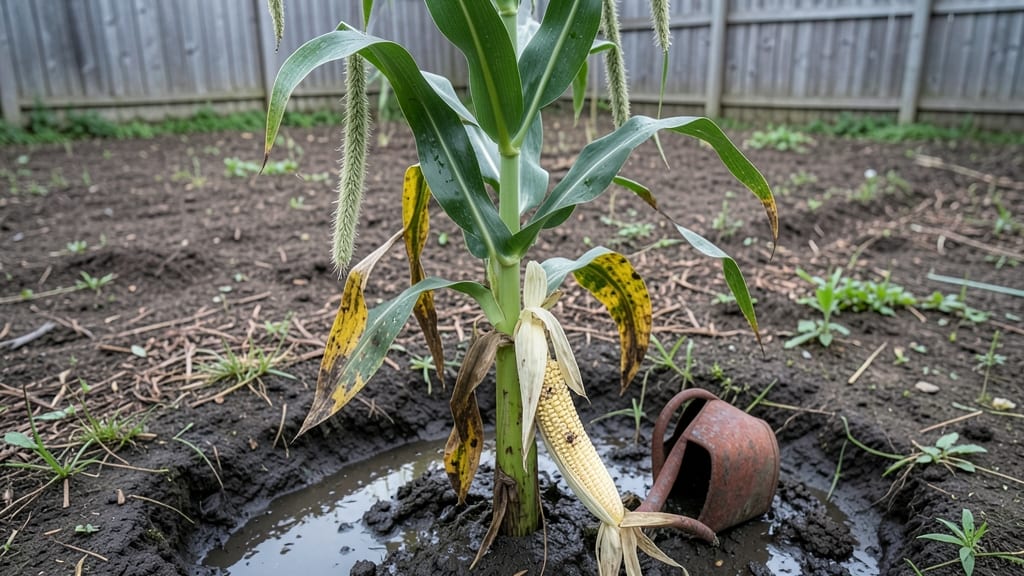
An overwatered corn plant might look pitiful, but with the right fixes—beyond just watering less—you can revive it and watch it grow strong again. 🌱 Yellow leaves, mushy stems, and roots that smell like swamp water? That’s your plant’s SOS.
The real culprit is often a mix of heavy soil, poor drainage, and overzealous watering. Corn plants need moisture, but their roots need air too—think of them like a sponge that’s been wrung out and left in a bucket.
The good news? With the right adjustments, you can revive even the most pitiful-looking plant in just a few weeks.
By the end of these three steps, you’ll have a corn plant that’s sturdy, vibrant, and actually growing again. No more wilting or yellowing—just strong stems, fresh leaves, and the kind of lushness that makes neighbors ask how you do it. The key is patience and precision.
This works for both indoor corn plants and outdoor ones struggling in heavy clay soil. Let’s turn that soggy mess into something thriving—starting today.
Root Causes Of Too Much Water
When your corn plant—whether it’s a towering field variety or a delicate ornamental type—starts wilting despite soggy soil, the issue likely stems from one (or more) of these root causes.
Understanding why excess water harms your plant is the first step to fixing it. Let’s break down the science behind the soggy soil struggle.
Corn plants thrive in well-draining soil that allows excess water to escape quickly. When soil lacks proper aeration—whether due to compacted earth, heavy clay, or improper potting mix—water pools around the roots instead of draining away.
This creates an anaerobic (oxygen-deficient) environment, which suffocates roots and prevents them from absorbing nutrients efficiently.
Why it matters:
- Root rot: Fungi like Pythium and Phytophthora flourish in waterlogged conditions, attacking root tissues and cutting off water/nutrient uptake.
- Nutrient lockout: Excess water dilutes soil nutrients, making essential minerals like nitrogen, phosphorus, and potassium unavailable to the plant.
- Oxygen deprivation: Roots need oxygen to respire—without it, they weaken, turn mushy, or even die.
Actionable fix: Amend heavy or compacted soil with organic matter (compost, peat moss, or perlite) to improve drainage. For potted corn, ensure pots have drainage holes and use a mix designed for vegetables.
Corn plants have surprisingly deep root systems—some varieties can extend 6+ feet into the soil. Yet, many gardeners water based on surface moisture, leading to chronic overwatering. Factors like humidity, rainfall, or even the time of day can skew your watering schedule, leaving roots drowning while the topsoil stays damp.
Common mistakes:
- Watering on a strict schedule (e.g., every morning) without checking soil moisture.
- Ignoring weather—watering heavily after rain or during high humidity.
- Using low-flow or drip systems that keep soil saturated for long periods.
Science behind it: Corn plants are C4 plants, meaning they’re adapted to hot, dry conditions. Their roots evolved to store water efficiently, but constant moisture disrupts this balance, leading to osmotic stress (where roots absorb too much water, diluting their cells).
Actionable fix: Use the finger test: Stick your finger 2–3 inches into the soil. Water only if it’s dry. For containers, lift the pot—if it’s heavy, wait. Aim for 1–1.5 inches of water per week, adjusting for climate.
Corn plants in pots face unique challenges because containers limit root expansion and drainage. Without enough space, roots become root-bound, circling the pot and struggling to escape excess moisture. Small pots also dry out faster on top but stay wet at the bottom, creating a perfect storm for rot.
Key issues:
- Limited oxygen: Compacted potting soil in small containers traps water and blocks airflow to roots.
- Heat retention: Dark pots or plastic containers absorb heat, raising soil temperatures and increasing evaporation at the surface while the bottom stays waterlogged.
- No escape: Unlike in-ground plants, potted corn can’t spread roots to seek drier soil.
Science note: Roots in containers experience hypoxia (oxygen starvation) faster than in loose soil, accelerating rot within 24–48 hours of overwatering.
Actionable fix:
- Upgrade to a large container (minimum 12–18 inches deep) with drainage holes.
- Use lightweight, airy mixes (e.g., 60% potting soil, 20% perlite, 20% compost).
- Avoid glazed or plastic pots—opt for terracotta or fabric grow bags for better breathability.
Even with perfect watering habits, external factors can push your corn plant over the edge. High humidity, poor airflow, or sudden temperature shifts create a greenhouse effect in soil, trapping moisture and slowing evaporation. Without intervention, this turns your garden into a root’s worst nightmare.
Triggering factors:
- Humidity spikes: Air humidity >70% reduces evaporation, keeping soil wet longer.
- Shade or poor airflow: Corn needs 6+ hours of sunlight to dry soil via transpiration. Shady spots or dense foliage trap moisture.
- Cold soil: Temperatures below 50°F (10°C) slow root activity, delaying water absorption and increasing rot risk.
Actionable fix:
- Move potted corn to a sunny, breezy spot (e.g., near a fan or open window).
- In humid climates, water early in the day to allow soil to dry before nighttime moisture settles.
- Mulch lightly (1–2 inches) with straw to regulate soil temperature without suffocating roots.
Revive Your Corn Plant Now
If your corn plant is looking more like a soggy science experiment than a thriving green beauty, don’t panic! With the right steps, you can nurse it back to health and restore its lush, vibrant growth. Below, we’ve broken down the most common causes of overwatering and matched them with practical, step-by-step solutions—plus tips to keep your plant happy long-term.
Overwatering starts with too much moisture, so the first fix is simple: halt the H2O flood. Let the soil dry out completely before watering again. Here’s how:
- 🌱 Check the Soil Moisture Stick your finger about 1–2 inches into the soil. If it feels damp or cool, wait. If it’s dry and crumbly, it’s time to water—but only lightly.
- 🚰 Adjust Your Watering Routine Corn plants (like most tropicals) prefer their roots to dry out slightly between waterings. Aim for watering only when the top 1–2 inches of soil are dry. A good rule of thumb? Water every 7–10 days (adjust based on humidity and season).
- 💧 Use the Right Tools Skip the heavy hand with a watering can. Instead, use a spray bottle or a watering wand to mimic natural rainfall. This gives you better control and prevents oversaturation.
If the roots are already suffering from waterlogged soil, they need air and space to recover. Here’s how to give them a breath of fresh air:
- 🔪 Repot if Necessary (For Severe Cases) If the soil smells sour, feels mushy, or the roots are turning brown/black, it’s time for a root refresh:
- Gently remove the plant from its pot and loosen the roots with your fingers.
- Trim any soft, mushy, or black roots with clean scissors (healthy roots are firm and white).
- Rinse the roots lightly under lukewarm water to remove excess soil.
- Repot in a well-draining mix (see below for the perfect blend).
- ✨ Upgrade Your Soil Mix Ditch the heavy, compacted soil. Corn plants thrive in a light, airy mix. Try this DIY blend:
| 50% Peat Moss or Coconut Coir | Retains moisture without suffocating roots. |
| 30% Perlite or Pumice | Adds airflow and prevents compaction. |
| 20% Vermiculite or Orchid Bark | Helps with drainage and nutrient retention. |
- 🏺 Choose the Right Pot Ensure your pot has drainage holes (if not, drill them!). Terracotta pots are ideal—they breathe and wick away excess moisture. Avoid plastic unless it’s well-ventilated.
Overwatered plants often struggle because their environment isn’t balanced. Once you’ve fixed the water issue, tweak these factors to speed up recovery:
- 💡 Light: Bright but Indirect Corn plants love light but can scorch in direct sun. Place yours near a bright, east-facing window or a few feet back from a south-facing one. If leaves yellow or crisp, it’s too much sun—move it away.
- 🌬️ Humidity: Mimic the Tropics Low humidity stresses plants and makes them more susceptible to overwatering. Boost moisture with:
- A humidifier near the plant.
- A pebble tray filled with water (place the pot on top).
- Misting the leaves daily (but avoid soggy foliage).
- 🌡️ Temperature: Keep It Warm Corn plants prefer 65–80°F (18–27°C). Avoid drafts (like AC vents or cold windows) and sudden temperature swings, which can weaken recovery.
Once your corn plant is back on track, lock in its health with these habits:
- 📅 Stick to a Watering Schedule Use a reminder app or mark your calendar to water every 7–10 days. Consistency is key!
- 🌱 Use the “Finger Test” Always Before watering, always check soil moisture. If you’re unsure, underwater slightly—plants bounce back faster from dryness than sogginess.
- 🌧️ Water in the Morning Watering early in the day gives leaves time to dry, reducing fungal risks (like powdery mildew).
- 🌿 Monitor Leaf Health Yellow leaves = overwatering. Brown, crispy edges = underwatering or low humidity. Adjust accordingly.
- 🌱 Fertilize Lightly (Once Recovered) Wait until new growth appears, then use a balanced, diluted fertilizer (like 10-10-10) every 4–6 weeks. Over-fertilizing can burn roots, so less is more!
With these steps, your corn plant should show signs of recovery in 2–4 weeks. Watch for new leaves, perkier stems, and a return to its vibrant green glory.
And remember: prevention is the best cure—now that you’ve fixed the issue, keep an eye on soil moisture and your plant will thrive for seasons to come!
Frequently asked questions
Why do my corn plant’s leaves turn yellow when I water it regularly?
Yellow leaves are a classic sign of overwatering because excess moisture blocks oxygen from reaching the roots. Corn plants need well-draining soil—when roots suffocate, they can’t absorb nutrients, causing leaves to yellow from the bottom up. Check if the soil feels soggy or smells sour—those are red flags!
Can I save a corn plant with black, mushy stems?
If the stems are already mushy and black, root rot has likely set in. Trim the damaged stems immediately and repot the plant in fresh, well-draining soil. For severe cases, you may need to prune back to healthy growth. Keep the soil lightly moist (not wet) and avoid watering until new growth appears.
How often should I water my corn plant after fixing overwatering?
Once recovered, water your corn plant only when the top 1–2 inches of soil are dry. In most cases, this means watering every 7–10 days, but adjust based on humidity and season. Use the finger test—stick your finger in the soil to check moisture levels before watering.
Will my corn plant recover if I just stop watering it?
No—stopping water entirely can cause more harm than good. Instead, let the soil dry out completely between waterings. Corn plants need consistent moisture, just not excess. Gradually reintroduce water once the soil is dry and you’ve improved drainage. Think of it like weaning the plant off water dependency!
What’s the best soil mix to prevent overwatering in corn plants?
A lightweight, airy mix works best: combine 50% peat moss or coconut coir, 30% perlite or pumice, and 20% vermiculite or orchid bark. This blend promotes drainage while retaining enough moisture. Avoid heavy garden soil—it compacts easily and traps water.