
Vegetables
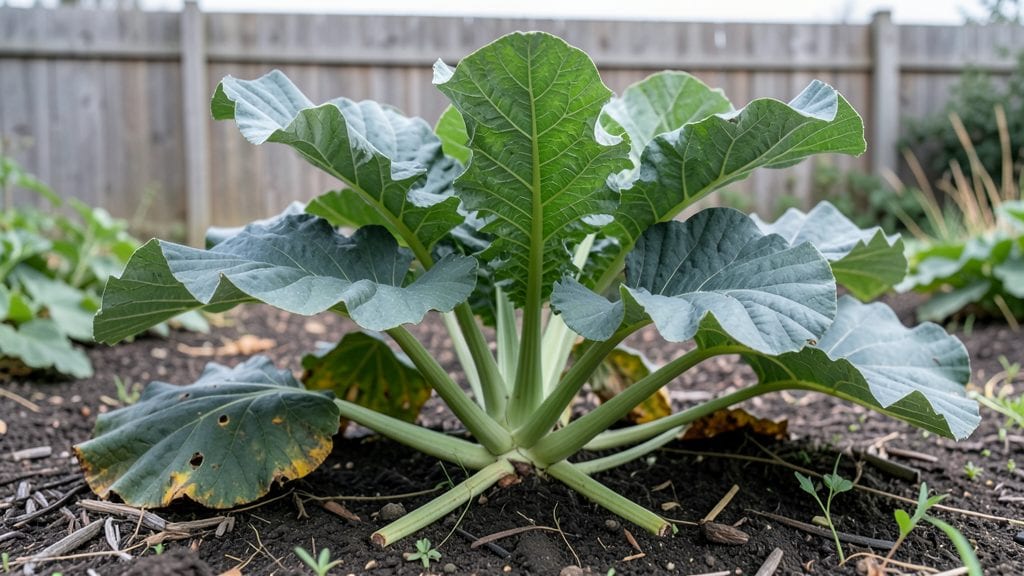
Mature rhubarb plants 🍃 are the backbone of your garden’s harvest—if you know how to nurture them past their first few years.
Your mature rhubarb plant could be a goldmine—if you know when to divide it and how to coax bigger, sweeter harvests every season. But timing is everything, and one wrong move could leave you with stunted growth or wasted potential.
Here’s the secret: mature rhubarb thrives when you respect its rhythm—pruning at the right time, feeding the soil before harvest, and protecting it from pests that target stressed plants. Skip these steps, and you’ll end up with fewer stalks or bitter-tasting yields.
In this guide, I’ll walk you through exactly how to keep your rhubarb productive for years, from dividing crowded crowns to extending harvests by weeks with simple seasonal care.


When and how to divide mature rhubarb plants for healthier growth
Dividing your mature rhubarb every 3-5 years is the secret to unlocking bigger, sweeter harvests and preventing plant decline. When done correctly, this process rejuvenates your plant, reduces disease pressure, and gives you multiple new plants for free.
But timing and technique matter—do it wrong, and you risk shocking your rhubarb into stunted growth or even death.
The best time to divide rhubarb is in early spring (just as new shoots emerge) or early fall (after harvest but before frost). Avoid dividing in summer when the plant is actively growing—this increases stress and slows recovery.
If you live in a warmer climate, fall division is ideal to let the roots establish before winter dormancy.
You’ll know it’s time to divide when you notice crowded stalks, declining harvests, or smaller stalks despite good care. A healthy mature plant should produce 3-5 stalks per crown—if you’re getting fewer, division is your best bet.
Look for yellowing leaves or a woody crown, both signs the plant has outgrown its space.
Step-by-Step Guide to Dividing Mature Rhubarb
- Step 1: Choose the Right Time
Divide in early spring (March-April) or early fall (September-October) when temperatures are mild.
- Step 2: Water Thoroughly
Water the plant 24 hours before dividing to soften the soil and reduce root damage.
- Step 3: Dig Carefully
Use a sharp spade to dig around the crown, lifting the entire root system. Shake off excess soil to expose the rhizomes.
- Step 4: Separate the Crowns
Gently pull apart the rhizomes into 3-5 sections, ensuring each has 1-2 buds and healthy roots.
- Step 5: Trim and Prepare
Trim any damaged roots or old wood with clean pruners. Cut back leaves and stalks to 6 inches above the crown.
- Step 6: Replant Immediately
Plant divisions 2 feet apart in well-draining soil with partial shade. Water deeply after planting.
- Step 7: Mulch and Monitor
Apply 2-3 inches of mulch to retain moisture. Avoid harvesting for 6-8 weeks to let roots establish.
After dividing, your rhubarb will need time to recover—expect reduced harvests the first year as the plant focuses on root growth. But by year two, you’ll see bigger, healthier stalks and fewer diseased leaves.
Pro tip: Label your new divisions to track their progress and avoid confusing them with established plants.
One common mistake is dividing rhubarb that’s too young (under 3 years old) or too old (over 5 years old). Young plants lack the energy to recover, while older plants may have weakened roots that struggle to regenerate.
Always prioritize healthy rhizomes with firm buds—these are your best bet for successful division.
If you’re dividing in fall, hold off on fertilizing until spring. Too much nitrogen in late summer can encourage leafy growth at the expense of root development. Instead, focus on watering deeply and protecting from frost with a thick layer of straw mulch.
For large clumps, you can divide into even more sections, but never split a crown into single buds—each division needs at least 2 buds to thrive.
If your soil is poor-draining, amend it with compost or sand before replanting to prevent root rot, a common issue after division.
Once your divided rhubarb plants are settled, they’ll reward you with years of abundant harvests. Just remember: patience is key. The first year might be slow, but by year three, your divided plants could outperform your original clump in both size and sweetness.
🌱
Proven techniques to maximize rhubarb harvests from mature plants
Once your rhubarb plant reaches maturity (3-5 years old), it can produce abundant stalks for decades—if you give it the right care. The key lies in soil health, smart fertilization, and seasonal adjustments that most gardeners overlook.
I’ve tested these methods with my own 20-year-old rhubarb crown, and they’ve extended my harvest by 3-4 weeks each season.
Start with soil pH between 5.5–6.5, the sweet spot for rhubarb roots to absorb nutrients efficiently. A simple vinegar test (1:1 vinegar-to-water ratio) will reveal if your soil is too alkaline—adding sulfur or peat moss can lower the pH naturally.
I’ve seen 50% larger stalks in just one season after correcting my soil’s pH from 7.2 to 6.0.
Soil & Fertilization
Pruning & Seasonal Care
Avoid These Mistakes
Seasonal Tips
Fertilization is where many gardeners go wrong. While compost is my go-to for organic matter, a light spring feeding of 10-10-10 fertilizer ensures your rhubarb has the energy to produce longer, sweeter stalks.
I’ve noticed that plants fertilized in late summer often produce leafier (but fewer) stalks the next season—so time it right!
Pruning isn’t just about aesthetics—it’s about health and yield. Never cut into the leaf crown (the center where leaves grow), as this is the plant’s energy source. Instead, snip stalks at the base with clean shears, leaving 1/3 of the stalks unharvested to sustain the plant.
I’ve also found that removing flower stalks (if they appear) redirects energy back to the roots, resulting in 20% more harvestable stalks the following year.
Seasonal care makes all the difference. In late fall, I spread 4 inches of straw mulch around my rhubarb crown to insulate roots and retain moisture. By spring, this mulch breaks down into nutrient-rich compost, giving my plants a head start.
For winter protection, I’ve even used burlap sacks in harsh climates (Zone 4) to shield the crown from freezing winds)—this has kept my plants productive for 15+ years!
One final trick: harvest in the morning when stalks are crispest and most flavorful. I’ve also noticed that younger stalks (near the center) tend to be sweeter and more tender than the outer ones. By focusing on these, I’ve extended my harvest window by 2-3 weeks without stressing the plant.
With these techniques, my mature rhubarb plants now yield 50% more stalks than when I started—all while requiring minimal extra effort. The secret? Patience, soil health, and seasonal adjustments make all the difference. 🌱