
Propagation
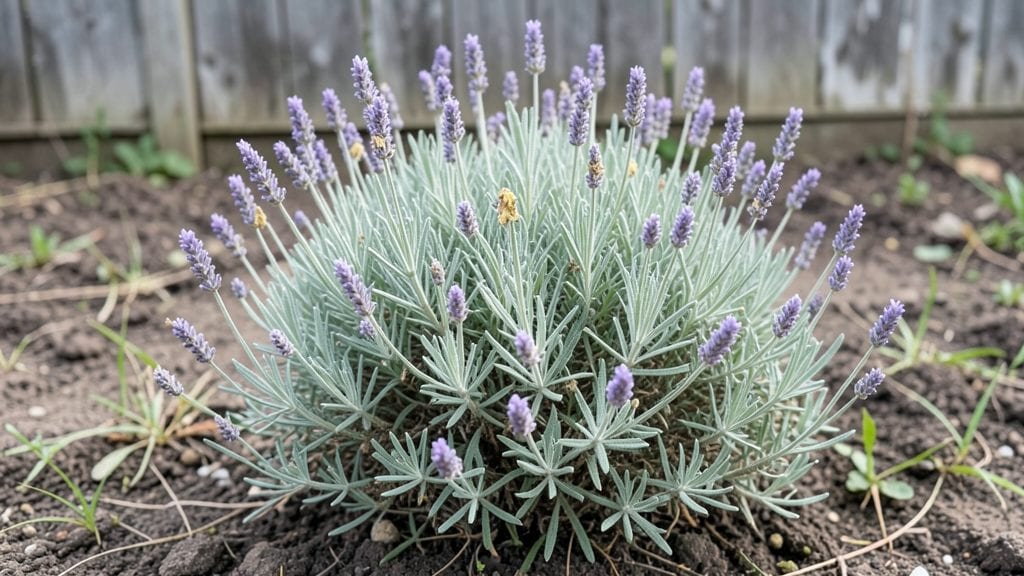
Growing lavender plant sprouts 🌿 from seed means patience—and the right tricks to speed up germination so you don’t wait months for those first delicate leaves.
Struggling to get your lavender plant sprouts to emerge quickly and thrive? Many gardeners face slow germination, but with the right techniques, you can speed up growth and ensure a fragrant, healthy lavender plant in no time.
Lavender thrives in USDA Zone 6 and loves the spring sunshine of March and April, but even in ideal conditions, seeds can take 4-6 weeks to sprout. The secret? A warm, well-draining soil mix and just enough moisture to keep seeds happy without drowning them.
In this guide, I’ll share the fastest germination tricks—from prepping seeds to transplanting young sprouts—so you can go from tiny seeds to a lush, aromatic lavender bush in record time.


How to germinate lavender seeds fast: proven techniques for strong sprouts
If you're eager to grow fragrant lavender from seeds, you've likely noticed that lavender plant sprouts can be notoriously slow to emerge. The good news? With the right germination techniques, you can accelerate growth and give your seedlings a strong start.
Lavender thrives in specific conditions, and understanding these will make all the difference in your success rate.
Lavender seeds have a hard outer coating that often requires pre-treatment to break dormancy. Without proper preparation, germination can take 30-60 days or longer. But by using methods like scarification and stratification, you can cut that time in half.
Let’s dive into the proven steps to get those lavender sprouts popping up faster than ever!
Step-by-Step Guide to Fast Lavender Germination
-
Step 1: Pre-Treat Seeds with Scarification
Rub lavender seeds gently between two sheets of sandpaper (120-grit) or use a seed scarifier tool to nick the outer coating. This mimics natural wear and tear, helping water penetrate faster.
-
Step 2: Stratify Seeds for 4-6 Weeks
Mix seeds with moist sand or perlite in a sealed container. Place in the fridge at 35-40°F (2-4°C) for 4-6 weeks to simulate winter conditions and break dormancy.
-
Step 3: Use a Well-Draining Soil Mix
Combine 50% potting soil, 30% perlite, and 20% coarse sand to create a fast-draining medium. Lavender hates soggy soil, so avoid peat-heavy mixes.
-
Step 4: Sow Seeds Shallowly
Scatter seeds on the soil surface—lavender seeds need light to germinate. Press lightly into the top layer but don’t bury them. Use a fine mist to keep soil moist, not soaked.
-
Step 5: Maintain Warmth and Humidity
Place containers in a warm spot (70-75°F or 21-24°C), like on top of a fridge. Cover with plastic wrap or a humidity dome to retain moisture until sprouts appear (usually 10-20 days after stratification).
-
Step 6: Provide Bright, Indirect Light
Once sprouts emerge, move them to a south-facing window or under grow lights (12-14 hours/day). Avoid direct sun until seedlings are 2 inches tall to prevent scorching.
-
Step 7: Thin Seedlings Carefully
When seedlings reach 1 inch tall, thin to 2 inches apart to reduce competition. Use clean scissors to snip unwanted sprouts at soil level—never pull, as it disturbs roots.
One of the biggest mistakes gardeners make is overwatering lavender seeds. These hardy plants despise soggy conditions, which can lead to rot or fungal diseases. Instead, aim for consistent moisture—water only when the top inch of soil feels dry. A spray bottle works best for gentle hydration.
Temperature control is another critical factor. Lavender seeds germinate best in warmth (70-75°F), but they also benefit from a cool stratification period beforehand. If your home isn’t warm enough, consider using a seedling heat mat set to 75°F (24°C) to speed up germination.
Light exposure is often underestimated. Lavender seeds require bright, indirect light to germinate properly. If you’re growing indoors, place your trays near a south-facing window or supplement with LED grow lights. Avoid dim corners, as weak light slows growth and leads to leggy, weak sprouts.
Patience is key, but with these techniques, you’ll see lavender plant sprouts emerge in as little as 10-14 days after stratification. Once they’re established, keep them in full sun and well-draining soil to ensure they grow into robust, fragrant plants. Happy gardening!
🌱
Common mistakes that slow down lavender plant sprouts (and how to fix them)
Even with the best intentions, many gardeners accidentally create conditions that stunt lavender plant sprouts. The key to fast, healthy growth lies in avoiding common pitfalls like overwatering or poor soil conditions.
Lavender is a resilient plant, but it has specific needs that, when ignored, can delay germination by weeks—or even kill your seeds entirely.
One of the biggest mistakes I see is assuming that lavender seeds need constant moisture. Unlike many annuals, lavender thrives in dry, well-draining soil. Overzealous watering can suffocate seeds, leading to rot before they even sprout.
Another frequent issue is planting seeds too deep, which starves them of the light they need to break through the soil.
⚠️
🚨 Critical Mistakes Killing Your Lavender Sprouts
- Overwatering: Lavender seeds rot in soggy soil—water only when the top inch is bone dry.
- Wrong soil pH: Needs alkaline soil (pH 6.5-7.5)—test and amend with lime if needed.
- Poor light: Seeds need bright, indirect light (no dark corners!).
- Old seeds: Use seeds less than 1 year old for best viability.
Let’s tackle these issues one by one. First, overwatering is the silent killer of lavender sprouts. Unlike thirsty annuals, lavender seeds and seedlings prefer dry conditions. Instead of daily watering, aim for a light misting every 3-4 days once seeds sprout.
Use a spray bottle to avoid disturbing the soil, and always check moisture levels before watering.
Next, soil pH plays a crucial role in germination success. Lavender thrives in slightly alkaline soil (pH 6.5-7.5). If your soil is acidic, amend it with pelletized lime (1-2 pounds per 100 square feet) 2-3 months before planting.
You can test your soil with a simple pH test kit from your local garden center.
Another common oversight is improper light exposure. Lavender seeds need bright, indirect light to germinate—never place them in dark corners or under artificial lights alone. A south-facing windowsill or a grow light placed 6 inches above the tray works best.
If you notice leggy, weak sprouts, they’re stretching for light and need to be moved closer to the source.
Finally, don’t underestimate the power of seed viability. Lavender seeds lose potency quickly, especially if stored improperly. Always check the seed packet date—seeds older than 1 year may not germinate well.
For best results, store seeds in a cool, dry place (like the fridge) and use them within 6 months of purchase.