Pests and Diseases
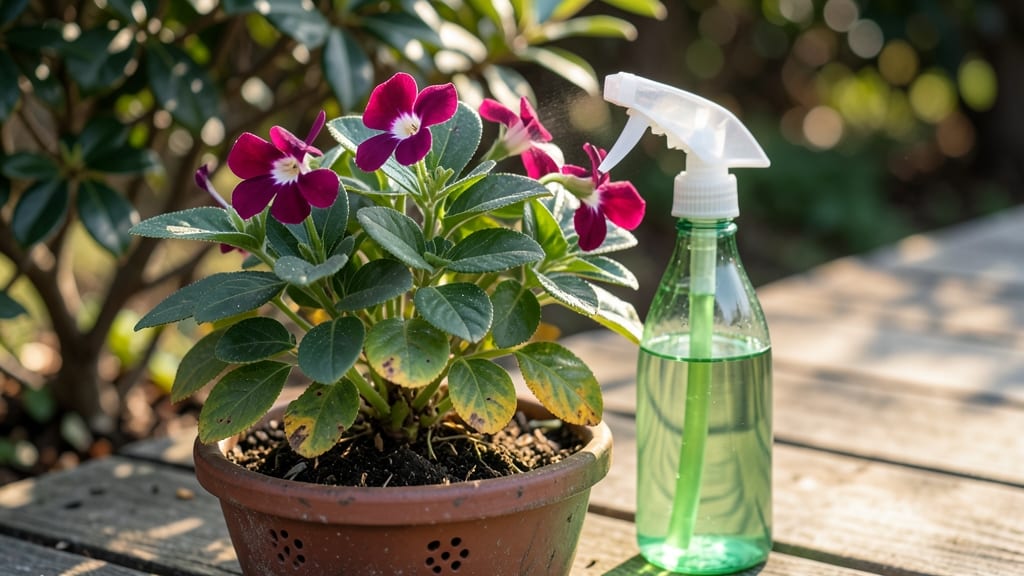
When your impatiens leaves turn yellow and fuzzy overnight, it’s not just wilting—it’s downy mildew, and it spreads faster than you think. 🌿 I’ve watched this disease turn vibrant hanging baskets into sad, moldy messes, but I’ve also saved plants by acting fast.
The key is catching it early, when the spots are still small and the leaves haven’t curled into useless fronds.
Most impatiens diseases start with too much moisture—whether from overhead watering, crowded pots, or poor airflow. Downy mildew thrives in humid shade, while bacterial spots love warm, wet foliage. The good news?
You can stop it with copper fungicide for mildew or neem oil for bacterial issues, but you’ve got to treat it before the whole plant turns to mush.
By pruning infected leaves immediately and spacing plants 6 inches apart, you’ll keep new growth clean and blooms coming all season. The first sign of powdery residue on the undersides of leaves?
That’s your warning—spray within 24 hours, or you’ll be replacing plants by July. Trust me, the difference between a thriving basket and a sad one is just a few days of action.
If the disease has already taken over, don’t toss the whole plant—sometimes cutting back to healthy growth and adjusting watering saves it. Just be ready to replace it if the roots rot. Prevention is easier than cleanup, so let’s get those plants breathing again before the next downpour hits.
Root Causes Of Impatiens Woes
Impatiens plants—with their vibrant blooms and lush foliage—can quickly become a gardener’s pride… until disease strikes. Understanding why these issues arise is the first step to prevention. Below, we break down the key factors that turn healthy impatiens into a battleground for pathogens, pests, and environmental stress.
Impatiens thrive in specific conditions, and when those are disrupted, disease becomes an unwelcome guest. Humidity, temperature, and airflow all play critical roles in plant health.
- Excessive Moisture:
Impatiens prefer consistently moist (but not soggy) soil. Overwatering or poor drainage creates the perfect breeding ground for fungal pathogens like Phytophthora and Pythium. These water-mold fungi thrive in saturated soil, attacking roots and stems, leading to root rot and wilting.
Pro tip: 🌡️ Use a moisture meter to check soil dampness—aim for 60-70% moisture retention without waterlogging.
- High Humidity Without Airflow:
Impatiens in humid climates (or greenhouses) are prone to powdery mildew and downy mildew if airflow is stagnant. Fungal spores spread easily in still, damp air, coating leaves and blocking sunlight.
Pro tip: 💨 Space plants 12-18 inches apart and use a fan to promote gentle airflow (even 2-3 hours daily helps).
- Temperature Swings:
Impatiens prefer 65–75°F (18–24°C). Sudden drops below 50°F (10°C) weaken their defenses, making them susceptible to bacterial spot (Xanthomonas) and Alternaria leaf spot. Cold stress also slows recovery from other infections.
Pro tip: 🌡️ Use row covers or move pots to sheltered spots during cold snaps.
Diseases don’t just appear—they invade. Impatiens are often infected through wounds, contaminated tools, or infected planting material.
- Contaminated Soil or Tools:
Fungal spores and bacterial cells can linger in soil for years. If you replant in the same spot without sterilizing the ground or using fresh potting mix, diseases like Fusarium wilt or Verticillium wilt will recur.
Pro tip: 🔥 Solarize soil (cover with clear plastic for 4–6 weeks in summer) or use sterilized potting mix (pasteurized or soilless blends).
- Physical Damage:
Pruning, wind, or hail create open wounds where pathogens like Botrytis (gray mold) can enter. Even aphids or thrips feeding can weaken tissue, making plants more vulnerable.
Pro tip: ⏰ Prune in dry conditions (not after rain) and use sterilized shears (wipe with 70% isopropyl alcohol between cuts).
- Infected Plant Material:
Buying or propagating impatiens from infected stock is a fast track to disaster. Symptoms like yellowing leaves or blackened stems may not appear until the plant is already compromised.
Pro tip: 👀 Inspect new plants for lesions, spots, or unusual discoloration before bringing them home.
Pests don’t just feed—they damage impatiens, creating entry points for secondary infections. A single infestation can turn a minor issue into a full-blown crisis.
- Aphids & Whiteflies:
These sap-sucking insects inject toxins while feeding, causing stunted growth and yellowing leaves. Their honeydew secretion also attracts sooty mold, a fungal growth that blocks sunlight and suffocates foliage.
Pro tip: 💡 Spray with neem oil or introduce ladybugs to control populations early.
- Spider Mites:
In dry conditions, spider mites puncture leaves, leading to bronzing and leaf drop. Weakened plants are then prime targets for bacterial leaf spot.
Pro tip: 🌡️ Increase humidity to 50%+ and blast plants with water to dislodge mites.
- Slugs & Snails:
These nocturnal munchers leave irregular holes in leaves and stems, creating perfect entry points for soft rot bacteria (Erwinia).
Pro tip: 🛡️ Set up beer traps or use copper barriers to deter them overnight.
Just like humans, impatiens need the right balance of nutrients to stay healthy. Too much (or too little) of certain elements can invite disease.
- Excess Nitrogen:
While nitrogen promotes leafy growth, over-fertilizing with high-nitrogen feeds (like lawn fertilizer) leads to weak stems and thin cell walls, making plants more susceptible to stem rot and powdery mildew.
Pro tip: 📊 Use a balanced fertilizer (10-10-10 or 20-20-20) and half the recommended dose every 4–6 weeks.
- Deficiency in Phosphorus or Potassium:
Phosphorus (P) supports root health, while potassium (K) strengthens cell membranes. A deficiency in either weakens the plant’s disease resistance, making it easier for pathogens to take hold.
Pro tip: 🌱 Test soil pH (ideal: 6.0–6.5) and amend with bone meal (P) or wood ash (K) if needed.
- Micronutrient Deficiencies:
Lack of magnesium (Mg), calcium (Ca), or iron (Fe) can cause interveinal chlorosis (yellowing between veins), signaling poor metabolic function. Weakened plants are 3x more likely to succumb to fungal infections.
Pro tip: ✨ Use chelated micronutrients or Epsom salt (Mg) sprays if leaves show deficiency signs.
Quick Fixes for Sick Impatiens
Reviving your impatiens doesn’t have to be a guessing game. Whether your plants are wilting, spotted, or covered in strange growths, targeted action can turn things around. Below, we’ve mapped the most common impatiens plant disease causes to practical fixes, plus prevention tips to keep your blooms thriving.
Let’s get your garden back in shape!
Fungal diseases thrive in damp, shady conditions, leaving white powder, yellow spots, or moldy patches on leaves. Here’s how to tackle them:
🔥 Remove the Problem
- Prune infected leaves immediately with sterilized scissors (wipe with rubbing alcohol between cuts).
- Dispose of debris in the trash—not your compost bin—to prevent reinfection.
🍳 Apply Fungicides
- Baking soda spray: Mix 1 tsp baking soda + 1 quart water + a few drops of dish soap. Spray leaves every 7–10 days until symptoms fade.
- Neem oil: A natural fungicide that also deters pests.
Follow label instructions for weekly applications (best in the morning or evening to avoid burning leaves). - Copper fungicide: For severe cases, use a store-bought copper-based spray (like Bonide Copper Fungicide) as directed.
🌡️ Adjust Growing Conditions
- Improve airflow: Space plants 6–12 inches apart and avoid overcrowding.
- Water at the base: Use drip irrigation or soaker hoses to keep foliage dry.
Water early in the day so leaves dry quickly. - Reduce humidity: Use a fan on low speed near plants or space them out in containers.
💡 Pro Tip: If fungal issues persist, consider replacing heavily infected plants to protect your garden’s health.
Bacterial infections cause water-soaked spots, wilting, or oozing lesions. Unlike fungi, bacteria can’t be cured—only contained and prevented.
👨🍳 Isolate and Remove Infected Plants
- Dig up and destroy severely infected plants (don’t compost them!).
- Wash tools with 10% bleach solution (1 part bleach to 9 parts water) after pruning.
🥘 Prevent Spread
- Avoid overhead watering: Use drip irrigation or water at the soil line.
- Rotate crops: Don’t plant impatiens in the same spot next year (bacteria linger in soil).
- Sterilize soil: Solarize soil in late summer by covering it with clear plastic for 4–6 weeks to kill bacteria.
✨ Prevention Boost: Strengthen plants with balanced fertilizer (10-10-10) to help them fend off infections.
Viruses (often spread by aphids or infected seeds) cause ring spots, stunted growth, and distorted leaves. There’s no cure, but you can limit damage.
🔪 Remove and Replace
- Pull up infected plants and bag them to prevent aphids from spreading the virus.
- Inspect new plants: Buy from reputable nurseries and check for symptoms before bringing them home.
🎯 Protect Healthy Plants
- Use insect netting to keep aphids away.
- Encourage natural predators: Ladybugs and lacewings devour aphids—plant marigolds nearby to attract them.
- Avoid overhead watering: Wet leaves help aphids thrive.
💡 Pro Tip: If viruses strike, disinfect tools and wash hands after handling plants to avoid cross-contamination.
Even after treating diseases, proactive care keeps your impatiens strong and resilient:
- 📊 Soil Health: Use well-draining potting mix (add perlite or sand if soil is heavy). - 💪 Sunlight: Most impatiens prefer partial shade (3–6 hours of morning sun).
Too much sun = stress = disease risk. - 🍎 Regular Checkups: Inspect plants weekly for early signs of trouble. - 🥗 Clean Up: Remove dead leaves and spent blooms to reduce hiding spots for pests and pathogens.
By acting fast and adjusting care habits, you can save your impatiens and enjoy vibrant blooms all season. 🌸💚
Frequently asked questions about impatiens plant diseases
What’s the fastest way to tell if my impatiens have downy mildew?
Check the undersides of leaves for fuzzy, grayish-purple growth—this is downy mildew’s telltale sign. If you see yellow spots on top with this fuzzy residue underneath, act immediately with a copper fungicide spray and improve airflow around the plant.
Can I still save an impatiens plant if half its leaves are spotted?
Yes, but act fast! Prune all infected leaves with sterilized shears and treat with neem oil or baking soda spray. If the spots are bacterial (water-soaked, oozing), remove the plant entirely to prevent spread—bacteria can’t be cured.
Why does my impatiens keep getting fungal diseases even after treatment?
Fungal spores linger in moist soil and on tools. Always sterilize pruners with rubbing alcohol, avoid overhead watering, and space plants 6–12 inches apart for better airflow. Solarizing soil (covering with plastic for 4–6 weeks) kills dormant spores too.
Are there any organic ways to prevent impatiens diseases?
Use compost tea as a soil drench to boost plant immunity, apply mulch to keep soil moist (not soggy), and spray leaves with hydrogen peroxide (3%) weekly as a preventative. Healthy plants resist diseases better!
How do I know if my impatiens has a viral infection?
Look for ring spots, stunted growth, or distorted leaves—these are classic virus symptoms. Unlike fungi or bacteria, viruses can’t be treated. Remove infected plants immediately and disinfect tools to prevent spread to other plants.