Plants
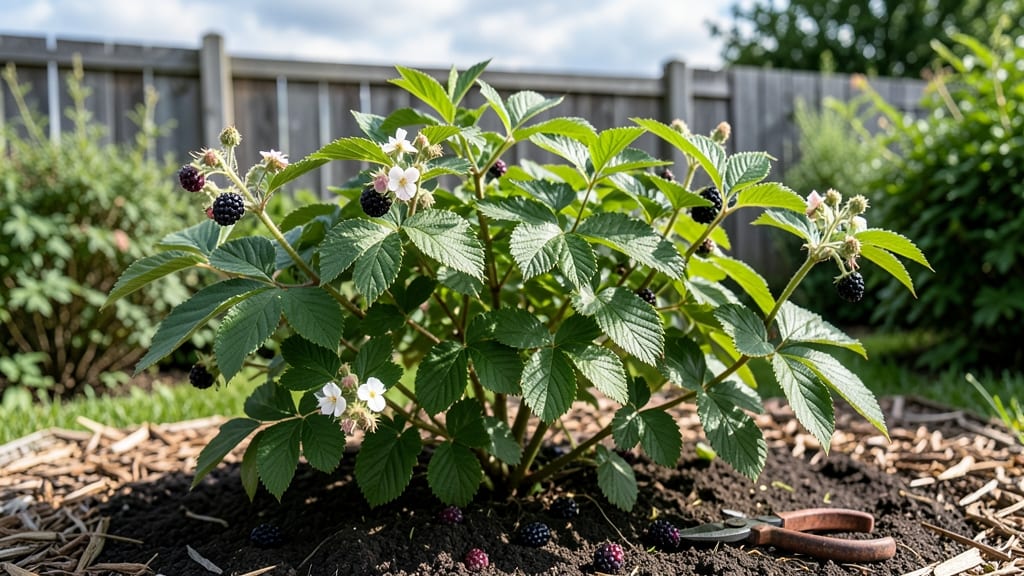
Identifying blackberry plants starts with their signature serrated leaves and arching canes—features that set them apart from raspberries and other brambles.
I’ve spent years distinguishing varieties in my garden, and the key lies in those jagged leaf edges, the way canes grow in a zigzag pattern, and the way berries cling to the plant until fully ripe.
These details aren’t just for show; they determine how you prune, where you plant, and even how you protect your harvest from pests.
Thornless varieties like 'Natchez' or 'Arapaho' are the easiest to recognize—they lack the sharp spines of traditional types, making them a gardener’s best friend for handling. But don’t let their gentler appearance fool you; these canes still grow 6-10 feet tall and need sturdy support.
Meanwhile, thorny varieties like 'Cheyenne' or 'Triple Crown' have those telltale barbs along the canes, which can make harvesting a little trickier but deter wildlife better. The berries themselves are another clue: blackberries are longer and more elongated than raspberries, which often leave a hollow core when picked.
Why does this matter? Because the wrong care can turn a thriving plant into a tangled mess. Thornless types need more frequent pruning to control growth, while thorny varieties often handle neglect better.
Plus, knowing your plant helps you spot diseases early—like rust or anthracnose—which attack different varieties in distinct ways. Once you’ve got these features down, you’ll spot the difference between a blackberry and a raspberry from across the yard.
For beginners, grab a magnifying glass and compare leaves: blackberry leaves are wider with deeper serrations, while raspberry leaves are narrower and more delicate. And if you’re still unsure, check the canes—blackberry canes are woody and persistent, while raspberry canes die back to the ground each winter.
Now you’re ready to ID with confidence!
Root Causes Of Misidentification
When it comes to blackberry plant identification, mistakes often happen due to a mix of natural similarities and human oversight. Understanding the why behind these errors helps gardeners and plant enthusiasts avoid confusion—whether they’re distinguishing between thorny brambles or spotting look-alikes like dewberries or raspberries.
Here’s a breakdown of the most common reasons misidentification occurs, along with the science behind them.
Blackberries belong to the Rubus genus, which includes raspberries, dewberries, and loganberries—plants that share striking physical traits. Why does this happen? - Vine Structure: Many Rubus species produce arching canes that trail or climb, creating dense thickets.
Without close inspection, these can look identical at first glance. - Leaf Shape: Blackberry and raspberry leaves are palmately compound (3-5 leaflets), but blackberries often have serrated edges and a slightly hairier texture under magnification.
Under poor light or from a distance, these details vanish. - Berry Attachment: The key differentiator is how the fruit detaches. Blackberries stay attached to the receptacle (the fleshy core), while raspberries pull away cleanly. Many gardeners overlook this unless they examine the plant post-harvest.
Actionable Tip: 🔍 Grab a magnifying glass or take a close-up photo. Focus on the berry’s connection to the stem and the leaf underside—these are dead giveaways.
Blackberries aren’t a monolith—they come in thornless, thorny, trailing, or erect varieties, and their appearance shifts with climate, soil, and maturity. - Juvenile vs. Mature Plants: Young blackberry canes may look delicate and raspberry-like, while mature plants develop thicker, woody stems and longer, more robust canes.
A first-year plant can easily fool even experienced growers. - Climate Effects: In cooler regions, blackberries might grow slower, with smaller leaves and berries, mimicking dewberries (which thrive in similar conditions).
Conversely, heat stress can cause leaf curling or discoloration, masking true identification traits. - Hybrid Confusion: Many modern cultivars (e.g., Arapaho, Chester, or Triple Crown) are bred for thornlessness or disease resistance, altering their "classic" blackberry look. Without knowing the cultivar, assumptions lead to errors.
Actionable Tip: 📅 Track growth stages. Note whether the plant is newly planted, flowering, or fruiting—each phase reveals unique clues. Keep a plant journal with photos at different times of year.
Blackberries are susceptible to pests and pathogens that alter their natural appearance, making identification harder. - Japanese Beetles or Spider Mites: These pests skeletonize leaves, leaving behind lacy, irregular patterns that obscure leaf shape.
A healthy blackberry leaf is deep green and glossy; damaged leaves may resemble those of unrelated shrubs. - Fungal Infections (e.g., Anthracnose): Dark, sunken spots on leaves or berries can make plants look unhealthy or hybridized.
Anthracnose, for example, causes purple-black lesions that mimic the color of ripe blackberries, confusing observers. - Root Rot or Overwatering: Poor drainage leads to yellowing leaves, wilting, or stunted growth, making the plant look like a different species entirely.
A stressed blackberry might resemble a weak raspberry bush or even a grapevine in extreme cases.
Actionable Tip: 🛡️ Inspect for pests first. Before assuming misidentification, check for holes in leaves, webbing, or unusual spots. Treat issues early—healthy plants reveal their true identity.
Even experienced gardeners overlook subtle but critical traits that distinguish blackberries from imposters. - Thorns vs. Prickles: True blackberries often have curved thorns (modified stems), while raspberries may have straight, sharper prickles (modified epidermal tissue).
Many "thornless" varieties still have tiny, hair-like bristles. - Flower Structure: Blackberry flowers are white to pale yellow, often in clustered groups, while raspberry flowers may appear lighter or more solitary.
The receptacle shape (the base where flowers attach) also differs—blackberries have a conical, fleshy core. - Berry Color: Immature blackberries start red or purple, while raspberries remain greenish-red longer. Ripe blackberries are deep black or purple, while raspberries are bright red.
Color alone isn’t foolproof, but it’s a quick first check.
Actionable Tip: 📸 Use a flowchart. Create a simple ID guide with checkboxes for: ✅ Leaf shape (3-5 leaflets?) ✅ Thorn type (curved or straight?) ✅ Berry attachment (stays on core?) ✅ Flower clusters (grouped or solitary?)
Sometimes, the problem isn’t the plant—it’s the observer. - Relying on Berries Alone: Many assume a black berry = blackberry, but elderberries, mulberries, and even some grapes can look similar.
Always check the leaves and stems first. - Ignoring Local Flora: In regions where dewberries (Rubus trivialis) or cloudberries grow, their smaller size and trailing habit can be mistaken for juvenile blackberries. - Overconfidence in "Common Knowledge": Assuming all blackberries look the same leads to mislabeling cultivars.
For example, Chehalem thornless blackberries have narrower leaves than traditional varieties.
Actionable Tip: 🎓 Educate yourself beyond basics. Join local gardening groups or use apps like iNaturalist to cross-reference findings. When in doubt, consult a botanist or extension service—they’ve seen it all!
Even reputable nurseries sometimes mislabel plants, especially with heirloom or hybrid varieties.
- Seed vs. Cuttings: Blackberries grown from seed (rather than cuttings) can produce unpredictable offspring, leading to plants that don’t match expected traits.
- Container Confusion: Small potted plants may lack defining features (like thorns or mature leaves), making them hard to ID. Always ask for a cutting or root sample if unsure.
- Online Sales: Descriptions like "thornless blackberry" might actually refer to a raspberry cultivar (e.g., Heritage raspberry). Verify with the seller or request photos of mature plants.
Actionable Tip: 📦 Demand proof. When buying plants, ask for: 📷 Photos of mature fruit/leaves 🌱 A cutting from the same plant (to verify traits) 📜 A certificate of authenticity (for rare varieties)
Quick Fixes for Common Blackberry Issues
Blackberries are hardy plants, but they can still face challenges like pests, diseases, or growth problems. Here’s how to diagnose and solve the most common issues—plus tips to keep your plants thriving long-term.
If you spot chewed leaves, tiny webs, or strange bugs, pests are likely the culprit. Here’s how to tackle them:
🔥 Japanese Beetles or Spider Mites
Fix:
- Handpick beetles in the early morning when they’re sluggish (drop them in soapy water).
- Spray neem oil (mix 2 tbsp neem oil + 1 tsp mild soap + 1 quart water) on leaves to deter mites and beetles.
- Introduce beneficial insects like ladybugs or lacewings to eat pests naturally.
Prevention:
- 💡 Mulch heavily with straw or wood chips to discourage beetles from laying eggs.
- 🎯 Plant repellent herbs like mint or basil nearby—beetles dislike their scent.
🍳 Aphids or Thrips
Fix:
- Blast them off with a strong spray of water (aphids hate this!).
- Use insecticidal soap (follow label instructions) for stubborn infestations.
- Prune heavily infested canes and dispose of them in sealed bags.
Prevention:
- 🌡️ Encourage natural predators like birds and parasitic wasps by avoiding broad-spectrum pesticides.
- 🔥 Keep plants healthy—stressed plants attract more pests.
Fungal or bacterial infections can turn leaves yellow, cause spots, or rot canes. Act fast to save your plants!
🍄 Powdery Mildew or Rust
Fix:
- Prune infected leaves immediately and dispose of them.
- Apply baking soda spray (1 tsp baking soda + 1 quart water + a drop of soap) weekly.
- Use copper fungicide (follow package rates) for severe cases.
Prevention:
- 💡 Space plants properly (3–4 feet apart) for good airflow.
- 🌡️ Water at the base (not overhead) to keep leaves dry.
🍅 Anthracnose or Cane Blight
Fix:
- Remove and destroy infected canes (burn or bag them).
- Spray with a fungicide (like chlorothalonil) at the first sign of spots.
- Disinfect pruners with rubbing alcohol between cuts to prevent spread.
Prevention:
- ✨ Plant resistant varieties like ‘Chester’ or ‘Triple Crown’ if your area is prone to these diseases.
- 🔥 Clean up fallen debris in fall to reduce overwintering spores.
Blackberries may struggle with weak canes, poor fruiting, or overcrowding. Here’s how to fix it:
🍳 Weak or Leggy Canes
Fix:
- 👨🍳 Provide support with stakes or trellises to keep canes upright.
- 🥘 Fertilize lightly with a balanced 10-10-10 fertilizer in early spring.
- 🔪 Prune back overgrown canes to encourage bushier growth.
Prevention:
- 💡 Ensure full sun (6+ hours daily)—shady spots weaken plants.
- 🌡️ Water deeply but infrequently (1–2 inches per week) to avoid root stress.
🍓 Poor Fruiting or Small Berries
Fix:
- 🔥 Thin canes—remove old or weak ones to redirect energy to fruiting.
- 🍳 Hand-pollinate if bees are scarce (gently shake flowers or use a small brush).
- 🥘 Check soil pH (ideal: 5.5–6.5)—test with a kit and amend if needed.
Prevention:
- ✨ Plant companion flowers like clover or alfalfa to attract pollinators.
- 🎯 Avoid over-fertilizing with nitrogen—too much leads to leafy growth, not fruit.
💡 Pro Tip: Always rotate treatments to prevent pests/diseases from building resistance. And when in doubt, test a small area first before full application!
⏰ Time-Saver: For severe issues, contact your local cooperative extension office—they offer free plant diagnostics and tailored advice.
Frequently asked questions
How can I tell if my plant is a blackberry vs. a raspberry?
Check the fruit's connection to the plant: blackberries stay attached to the fleshy core when picked, while raspberries leave a hollow core. Also, blackberry leaves are wider with deeper serrations and often have tiny hairs underneath.
Are all blackberry plants thorny?
No! Many modern varieties like 'Natchez' or 'Arapaho' are completely thornless, making them easier to handle. Traditional types (e.g., 'Cheyenne') have sharp thorns along the canes. Always check the cultivar description when buying plants.
Why does my blackberry plant have small berries?
Small berries often mean the plant isn't getting enough sunlight (6+ hours daily) or proper pollination. Try hand-pollinating flowers with a small brush if bees are scarce, and ensure canes are pruned to remove old growth.
Can I grow blackberries in containers?
Yes, but choose compact varieties like 'Arapaho' or 'Chester'. Use a 5-gallon container minimum with drainage holes, and repot every 2-3 years. Container-grown blackberries need more frequent watering and winter protection in cold climates.
How do I know if my blackberry plant is diseased?
Watch for yellowing leaves, dark spots, or cane lesions—common signs of anthracnose or rust. Prune infected areas immediately and apply copper fungicide. Always disinfect pruners between cuts to prevent spread.