Watering
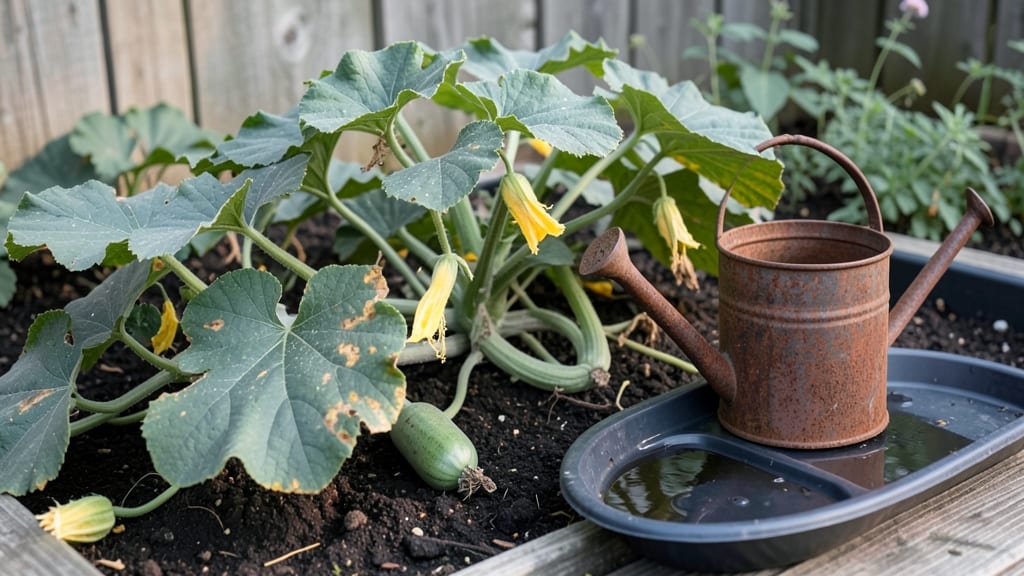
When your squash plants look more sad than productive, overwatering is usually the culprit. ✨ I’ve seen healthy vines turn mushy overnight from too much love—and the fix isn’t just cutting back water. Squash plants hate soggy roots, especially their shallow systems that spread wide but shallow.
The first sign? Yellowing leaves that start at the bottom, followed by wilting even when the soil feels damp. Root rot sets in fast, turning stems soft and black at the base.
The good news? Squash bounce back quicker than you’d think once you adjust watering, improve drainage, and let the soil dry slightly between soakings.
By the end of this, your plants will be thriving with crisp green leaves and plump vines ready for harvest. We’ll tackle the three fixes that work every time—no guesswork, just results. The key is patience and watching the soil, not the calendar.
Works for all squash varieties, from zucchini to pumpkins, and saves you from throwing out wilted plants. Let’s turn this around before your harvest season passes you by.
Root Causes Of Excess Moisture
Overwatering squash plants isn’t just about giving them too much water—it’s a chain reaction triggered by a mix of environmental, soil, and human factors. Understanding these root causes helps you adjust your approach before your plants throw in the towel.
Let’s dig into the science behind why your squash might be drowning in its own downfall.
Squash plants thrive in well-draining soil, but heavy clay, compacted dirt, or amended soil with too much organic matter (like peat moss) can turn your garden into a swamp. Here’s why:
- Clay Soil: Tiny particles pack tightly, leaving no air pockets. Water pools around roots instead of draining downward, suffocating them. Test it: Grab a handful—if it forms a hard clump that won’t crumble, drainage is likely poor.
- Compacted Soil: Foot traffic, machinery, or even rain can compress soil, reducing pore space. Roots struggle to breathe, and excess water sits like a wet blanket.
- Over-Amended Soil: While compost improves soil, too much can create a dense, water-retentive mix. Aim for 20-30% compost by volume—any more risks waterlogging.
💡 Pro Tip: Amend clay soil with coarse sand or perlite (20-30% by volume) to improve drainage. For compacted soil, aerate with a garden fork or add gypsum to break up particles.
Squash plants need 1-2 inches of water per week, but timing and method matter just as much as quantity. Common mistakes include:
- Frequent Light Watering: Shallow, daily watering encourages roots to stay near the surface, where they’re more prone to rot. Solution: Water deeply 2-3 times per week to encourage deep root growth.
- Ignoring Weather Conditions: Watering on a schedule regardless of rain or humidity leads to oversaturation. Rule of thumb: Skip watering if 1 inch of rain has fallen in the past 48 hours.
- Poor Watering Technique: Sprinklers or overhead watering can wet foliage, promoting fungal diseases like powdery mildew while also increasing evaporation loss. Fix: Use drip irrigation or soaker hoses at the base of plants.
✨ Key Insight: Squash plants are drought-tolerant once established—underwatering is often less harmful than overwatering. Let the top 1-2 inches of soil dry out between waterings.
Not all water comes from your hose. Environmental conditions can turn your garden into a soggy mess overnight:
- Heavy or Prolonged Rain: Squash plants in containers or raised beds are less affected, but in-ground plants can drown if rain exceeds 1.5 inches in 24 hours. Solution: Use raised beds with drainage holes or plant on a slight slope.
- High Humidity + Poor Airflow: Stagnant air traps moisture, slowing evaporation and keeping soil damp longer. Fix: Space plants 3-5 feet apart and prune nearby weeds or overgrown foliage.
- Low-Lying or Flood-Prone Areas: Water naturally pools in depressions, creating a death zone for roots. Prevent it: Avoid planting squash in areas where water sits for more than 6 hours after rain.
🌡️ Watch For: If your area has consistent humidity above 70% or frequent downpours, opt for fast-draining soil mixes or containers with drainage.
Potted squash plants are especially vulnerable because containers offer limited space for roots to escape excess moisture. Common issues include:
- Small or Shallow Pots: Roots outgrow the container, circling and suffocating. Minimum size: 12-18 inches deep and wide for vining varieties like zucchini.
- No Drainage Holes: Water pools at the bottom, drowning roots. Non-negotiable: Always use pots with 3+ drainage holes.
- Overpotting Without Adjustments: Larger pots hold more water. If you upgrade container size, use cactus/succulent mix (50% regular soil, 50% perlite/pumice) to improve drainage.
🔥 Quick Fix: If your container lacks drainage, elevate it on pot feet or bricks and water only when the top 2 inches of soil are dry.
Fixing Overwatered Squash Plants Fast
Overwatering can turn your thriving squash plants into a soggy mess, but don’t panic—there’s still time to save your harvest! The key is acting quickly and adjusting your watering habits to prevent further damage.
Below, we’ll break down the most common causes of overwatering and the practical fixes to revive your plants, along with prevention tips to keep them healthy long-term.
---
If your squash plants are sitting in waterlogged soil, their roots can’t breathe, leading to rot and stunted growth. Here’s how to revive them and improve drainage:
#### 🔥 Step 1: Stop Watering Immediately - Why? Overwatering creates anaerobic conditions (no oxygen) in the soil, suffocating roots. - How? Pause watering for 2–3 days to let excess moisture evaporate. If the soil is still soggy after a week, take action.
#### 🍳 Step 2: Amend the Soil for Better Drainage Squash plants thrive in well-draining soil—if yours is heavy clay or compacted, mix in: - Coarse sand (1 part sand to 3 parts soil) - Perlite or vermiculite (improves aeration) - Compost or aged manure (adds organic matter without compacting soil)
Pro Tip: 💡 Test your soil’s drainage—dig a small hole, fill it with water, and time how long it takes to drain. If it’s slower than 30 minutes, your soil needs amending.
#### 👨🍳 Step 3: Raise Planting Beds (If Needed) If your garden has poor drainage, consider: - Raised beds (fill with a mix of garden soil, compost, and sand) - Mounding soil around plants to lift roots away from waterlogged areas
#### 🌡️ Prevention Tip: ✨ Plant squash in hills (small mounds of soil) to encourage water runoff and prevent pooling.
---
Confused if your squash is overwatered or underwatered? Check the leaves: - Yellowing lower leaves + mushy stems = Overwatering - Dry, crispy edges + wilting = Underwatering
#### 🔪 Step 1: Trim Damaged Foliage - Why? Removing yellow or mushy leaves helps the plant focus energy on recovery. - How? Use sterilized pruning shears to cut back affected leaves at the base.
#### ⏰ Step 2: Adjust Your Watering Schedule Squash plants need 1–2 inches of water per week, but timing matters: - Water deeply but infrequently (early morning is best). - Avoid overhead watering (use drip irrigation or soaker hoses to keep leaves dry). - Check soil moisture before watering—stick your finger 1–2 inches deep.
If it’s damp, wait.
Pro Tip: 🌡️ Use a moisture meter for accuracy, especially in containers where soil dries faster.
#### 🎯 Prevention Tip: 🔥 Mulch around plants (with straw or shredded leaves) to retain moisture without over-saturating the soil.
---
Overwatering creates the perfect environment for powdery mildew, downy mildew, or root rot. Here’s how to treat and prevent fungal problems:
#### 💡 Step 1: Improve Air Circulation - Space plants properly (squash needs 3–4 feet between vines). - Prune excess foliage to allow airflow around leaves.
#### 🍄 Step 2: Apply Fungicide (If Needed) - Preventative spray: Mix 1 tsp baking soda + 1 quart water + a few drops of dish soap and spray on leaves. - For severe cases: Use a copper fungicide or neem oil (follow package instructions).
#### 🥗 Prevention Tip: 💪 Water at the base (not overhead) to keep leaves dry and reduce fungal spores.
---
Once your plants are recovering, prevent future overwatering with these habits: ✅ Use containers with drainage holes (if growing in pots). ✅ Monitor weather forecasts—adjust watering during heavy rain. ✅ Rotate crops to avoid depleting soil nutrients. ✅ Harvest promptly—overripe squash attracts pests and rots faster.
--- By following these targeted fixes, your squash plants should bounce back stronger than ever. Consistency is key—once you adjust your watering routine, you’ll see healthier vines, more flowers, and a bountiful harvest! 🎉
Frequently asked questions
How do I know if my squash plants are overwatered instead of just wilting from heat?
Check the leaves and stems: yellowing lower leaves with mushy stems are classic overwatering signs. Unlike heat stress, which causes crispy edges and wilting only during the day, overwatered squash stays limp even at night. Also, poke the soil—if it's damp 2+ inches deep, you've likely overdone it.
Can I still save my squash plants if the stems are black and soft at the base?
You may have root rot, but act fast! Trim away all blackened stems with sterilized shears, then let the soil dry completely for 3-5 days. Repot in fresh, well-draining soil mix (50% compost, 50% perlite) if container-grown. New growth should appear within 7-10 days if the roots aren't completely dead.
Why does my squash soil stay soggy even after days without rain?
This usually means poor drainage from heavy clay soil or compacted dirt. Test it: dig a hole, fill with water—if it takes 30+ minutes to drain, your soil needs amending. Mix in coarse sand or perlite (20-30%) and consider raised beds if your garden stays waterlogged after heavy rains.
Is it better to underwater than overwater squash plants?
Yes! Squash are surprisingly drought-tolerant once established. They'll wilt slightly during dry spells but recover quickly when watered deeply. The real danger is overwatering, which causes root rot and fungal diseases. Let the top 1-2 inches of soil dry out between waterings—stick your finger in to check!
How often should I water potted squash compared to in-ground plants?
Containers dry out faster—water potted squash when the top 1 inch of soil is dry (often every 2-3 days in summer), while in-ground plants need watering when the top 2 inches are dry (2-3 times weekly). Always use pots with 3+ drainage holes and elevate them to prevent water pooling at the bottom.