Pruning
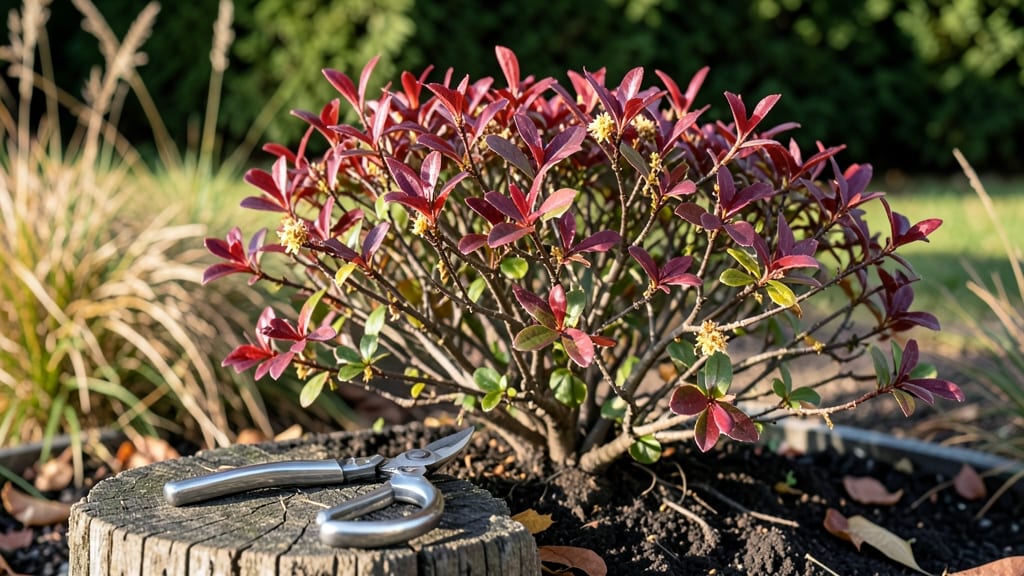
Pruning barberry plants isn’t just about keeping them tidy—it’s the secret to thicker growth and fewer pests. 🌿 I’ve learned that skipping this step means leggy branches and fewer berries, but a few strategic cuts each year transforms them into dense, vibrant shrubs.
The right timing and technique make all the difference, and once you master it, your plants will reward you with lush foliage and better air circulation.
You’ll need sharp pruning shears, gloves, and a clear morning to work—barberries have thorns that pack a punch. The best time to prune is late winter or early spring, right before new growth starts.
This gives the plant time to heal before summer heat sets in. If you’re rejuvenating an overgrown barberry, spread the cuts over two years to avoid shocking the plant.
Start by removing dead or crossing branches first—they’re the easiest to spot and the most important to cut. Then shape the plant by trimming back about one-third of the oldest stems to encourage new growth from the base.
The goal is to keep the center open for airflow, which prevents fungal diseases. After pruning, your barberry should look fuller within weeks, with fresh green shoots popping up everywhere.
Here’s the kicker: if you prune too late in the season, you risk encouraging tender new growth that won’t survive winter. And never skip cleaning your tools between cuts—barberry canes carry diseases that spread quickly. With these steps, your barberry will stay healthy, bushy, and productive for years to come.
📚 In This Guide
- What you need
- Instructions
- Tips and common mistakes
- Wrapping up and next steps
What you need
- ● Pruning shears – Bypass pruners (sharp, clean blades for clean cuts). Quantity: 1 pair (or 2 if working with thick branches).
- ● Loppers – For thicker stems (1-1.5 inches in diameter). Quantity: 1 pair.
- ● Gloves – Heavy-duty, cut-resistant gloves (barberry thorns are sharp!). Quantity: 1 pair.
- ● Disinfectant – 70% isopropyl alcohol or a pruning wound sealant (to prevent disease spread). Quantity: Small bottle or spray.
- ○ Garden twine or zip ties – For securing large branches post-pruning (optional but helpful). Quantity: 1 roll.
- ● Trash bag or bucket – For collecting pruned debris. Quantity: 1-2 (depending on plant size).
- ● Hand saw – For stubborn, thick branches (if loppers aren’t enough).
- ● Pruning saw – With a curved blade for precision cuts.
- ● Knee pads – If your barberry is large and you’ll be kneeling.
- ● Label markers – To tag specific cuts (e.g., "dead," "live," or "flowering" branches).
- ● Compost bin – If you plan to compost pruned material (avoid if diseased).
Step-by-Step guide to pruning barberry plants
Here’s how to keep your barberry looking full and productive year after year—no guesswork involved.
✂️ Step 1: Prune in Early Spring for New Growth
Start pruning right after your last frost date, when new buds are just beginning to swell. This timing ensures you’re cutting back old growth while encouraging fresh, vigorous shoots. I like to wait until the soil warms to 50°F—that’s when the plant’s energy shifts from dormancy to growth.
Use sharp, clean pruners to remove any dead, diseased, or crossing branches first. These are the ones that’ll compete with healthy growth for nutrients. Cut back to a healthy bud or lateral branch—you’ll see it as a slight bump on the stem. Avoid leaving stubs; always make clean cuts at a 45-degree angle.
✂️ Step 2: Thin Out Overcrowded Branches
Barberries thrive when they get good airflow, so thinning is key. Look for branches growing inward or rubbing against others—these are the ones to remove entirely. I target about 20-30% of the plant’s oldest stems, cutting them back to the base. This opens up the center and lets light reach the inner branches.
Don’t overdo it—you’re not trying to turn your barberry into a bonsai. Aim for a natural, rounded shape. If you’re unsure, step back and look at the plant from all sides. The goal is to maintain its bushy form while keeping it airy enough to prevent fungal issues.
✂️ Step 3: Light Summer Pruning for Shape and Health
After the initial spring pruning, do a quick check in early summer—around June or July—to tidy up any straggly growth. Pinch back the tips of new shoots if they’re getting too leggy. This encourages the plant to branch out and fill in more densely.
Remove any suckers or water sprouts that pop up at the base. These are the thin, weak stems that sap energy from the main plant. Cut them off at the ground level immediately. You’ll also want to trim back any flowers that appear now—saving that energy for next year’s blooms and berries.
✂️ Step 4: Final Cleanup in Late Winter
Just before new growth starts in late winter, do a final cleanup. Remove any dead or weak branches that didn’t make it through the season. This is also the time to shape the plant for the coming year. Barberries respond well to pruning, so don’t be afraid to be bold—just avoid cutting more than one-third of the plant’s total growth in any one season.
After pruning, give the base a light mulch with 2-3 inches of organic matter to protect roots and retain moisture. This is especially important if your winters are harsh. A well-pruned barberry will reward you with thick, healthy foliage and plenty of those prized berries.
⏰ Step 5: Watch for New Growth Signals
Keep an eye out for new shoots emerging from the base or along the stems. These are your cues that the pruning worked. If you see vigorous, green growth within 4-6 weeks of pruning, you’re on the right track. If growth is slow or sparse, you might have pruned too aggressively—next time, hold back a bit more.
Barberries are tough plants, but they do best when you prune with purpose. A little effort now means fewer problems later and a plant that looks great all season long. And remember: the key is consistency. Stick to this schedule, and your barberry will stay healthy and full for years to come.
Tips & tricks for perfect barberry plant pruning
These key insights will help you transform your barberry into a lush, thriving shrub with minimal effort.
Timing is Everything: The 50°F soil temperature marker in Step 1 is your golden cue—this is when your barberry's roots are ready to push new growth. I've learned the hard way that pruning too early (when soil is still cold) can shock the plant. Use a soil thermometer if you're unsure, or check for swollen buds on the stems as a natural indicator.
The 45-Degree Angle Secret: When cutting branches in Step 1, that 45-degree angle isn't just for looks—it prevents water from pooling on the cut. I always make my cuts just above a healthy bud, looking for that slight bump on the stem. This technique ensures new growth emerges in the right direction, creating a fuller plant over time.
Thinning Strategy: In Step 2, when targeting 20-30% of the oldest stems, focus on branches that are thinner than a pencil. These are the ones competing with your main structure. I step back every few cuts to visualize the plant's shape—this helps me avoid that "broomstick" look many barberries develop when over-pruned.
Mulch Matters: After your late winter cleanup (Step 4), that 2-3 inches of organic mulch serves two purposes: it insulates roots from winter cold AND slows moisture evaporation. I use shredded leaves or wood chips because they break down slowly, enriching the soil as they decompose. Just keep the mulch a few inches away from the stem to prevent rot.
Pro Tips for Barberry Plant Pruning
- These key insights will help you transform your barberry into a lush, thriving shrub with minimal effort.
- Timing is Everything: The 50°F soil temperature marker in Step 1 is your golden cue—this is when your barberry's root...
- The 45-Degree Angle Secret: When cutting branches in Step 1, that 45-degree angle isn't just for looks—it prevents wa...
Frequently asked questions
Got questions about pruning your barberry plants? You’re not alone! Here are some of the most common queries—and their straightforward answers—to help you keep your shrubs thriving with confidence.
When is the best time to prune barberry plants?
The ideal time to prune barberry is late winter or early spring, just before new growth begins. This timing promotes vigorous spring regrowth and prevents disease spread. Avoid pruning in fall, as it can leave cuts vulnerable to winter damage.
How much can I trim back a barberry bush?
Barberries are resilient! You can safely remove up to one-third of the plant’s growth per year. For shaping, trim back 1-2 inches from the tips of stems to encourage bushier growth. Avoid over-pruning, which can stress the plant and reduce berry production.
What should I do if my barberry looks leggy after pruning?
Leggy growth often happens if pruning cuts are too high or if the plant isn’t getting enough sunlight. To fix it, trim just above a leaf bud (not bare wood) and ensure the plant gets at least 6 hours of sunlight daily. Fertilize lightly in spring to encourage denser foliage.
Can I prune barberry for berries instead of foliage?
Yes! To boost berry production, prune lightly in late winter to remove only dead or crossing branches. Avoid heavy cuts, as barberries produce berries on old wood. Focus on opening the center for airflow and sunlight, which improves fruit quality.
How do I prevent disease when pruning barberry?
Disease risk is low, but sterilize your tools with rubbing alcohol between cuts to prevent bacterial spread. Prune during dry weather and avoid wetting cuts. Remove any diseased branches immediately and dispose of them in the trash—not the compost!
Wrapping up and next steps
Mastering barberry plant pruning is your ticket to lush, vibrant bushes that thrive year after year! 🌿 By following seasonal guidelines—whether it’s light shaping in spring or rejuvenating cuts in late winter—you’ll encourage bushier growth, better blooms, and a healthier plant.
Remember, consistency and the right tools are your best allies.
Ready to transform your barberry? Grab your pruners, roll up your sleeves, and give your plant the care it deserves. Start with one section at a time—your green thumb will thank you! 🌟