Pruning
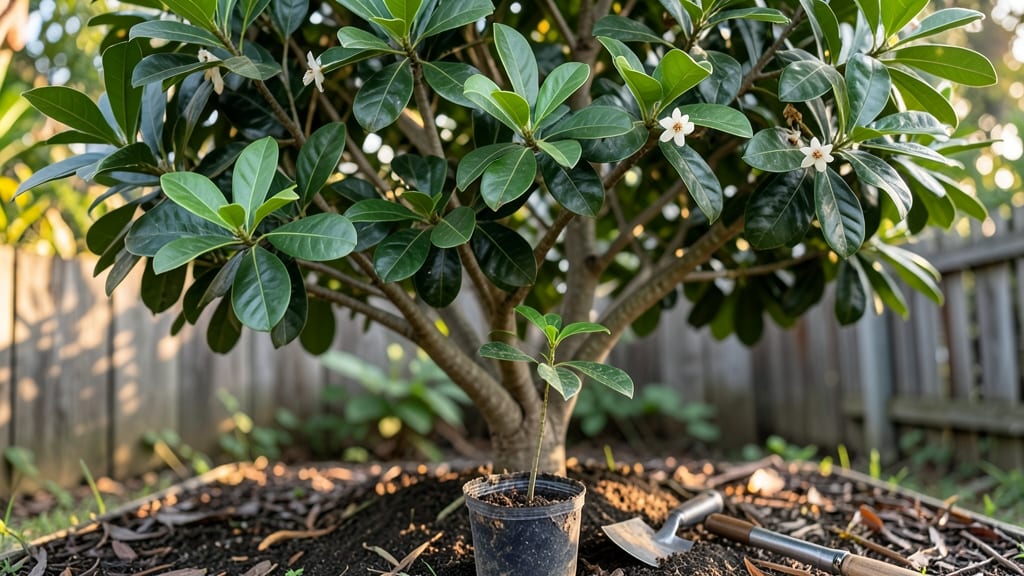
Planting a lychee tree in your yard means sweet, fragrant rewards—but only if you nail the basics first. 🌱 I’ve grown these tropical gems from seed and cuttings, and the difference between a thriving tree and a sad, stunted one comes down to three things: soil, sunlight, and patience.
Most people skip the prep work, and that’s how you end up with a tree that never bears fruit.
The right spot is non-negotiable: lychees demand full sun (at least 6 hours daily) and warm temperatures—think USDA zones 10-12, though container-growing can stretch that range.
Your soil mix should be well-draining (equal parts garden soil, peat moss, and perlite), and if you’re in cooler climates, a large container with wheels lets you move it indoors when frost threatens.
I’ve seen lychees survive winters in pots, but they’ll need a bright, cool room (like a garage with grow lights).
Once planted, keep the soil moist but not soggy—lychees hate wet feet. Within 6-12 months, you’ll see new growth, and if you’re lucky, your first flowers by year 3 or 4.
The real magic? That first lychee, sweet and aromatic, plucked straight from your backyard. It’s worth every step, even if the wait feels long.
Container growing works surprisingly well—just upgrade to a 15-gallon pot when the roots outgrow their space. And here’s the secret: prune lightly in late winter to encourage air flow, but never cut into old wood. Your tree will thank you with juicy fruit and lush foliage. Ready to get started?
📚 In This Guide
- What you need
- Instructions
- Tips and common mistakes
- Wrapping up and next steps
What you need
- ● Lychee sapling or seed: Choose a healthy Litchi chinensis sapling (3–5 years old) or fresh seeds from a ripe lychee (germination takes 3–6 months).
- ● Well-draining soil: Mix 60% sandy loam + 30% compost + 10% perlite (pH 5.5–6.5). Tropical potting mix works too!
- ● Pot or planting site: Container growers: 5-gallon pot minimum (drainage holes mandatory).
- ● Outdoor planting: Full sun (6+ hours/day), sheltered from wind.
- ● Fertilizer: Slow-release citrus/acid-loving plant fertilizer (10-10-10 or 8-3-9 NPK ratio).
- ● Mulch: Pine bark or straw (2–3 inches thick) to retain moisture and acidify soil.
- ● Watering can or hose: With a gentle spray nozzle for delicate roots.
- ● Pruning shears: Sharp, sterilized shears (for shaping and harvesting).
- ● Soil acidifier: Aluminum sulfate or sulfur pellets (to maintain pH).
- ● Drip irrigation system: For consistent moisture in hot climates.
- ● Shade cloth: 30–50% coverage for young trees in intense sun.
- ● Humidity tray: For container-grown trees in dry climates.
- ● Pollination aid: Small paintbrush to hand-pollinate flowers (if growing from seed).
Step-by-step instructions for planting a lychee tree
Here’s the method I’ve used to establish healthy lychee trees in warm climates—where the real magic happens.
🌱 Step 1: Choose the Right Location and Prepare the Soil
Lychees thrive in full sun—at least 8 hours daily—and need protection from strong winds. I always pick the warmest, most sheltered spot in my yard, often near a south-facing wall or fence. The soil must drain exceptionally well because lychees hate soggy roots. If your native soil is heavy clay, amend it with 3-4 inches of coarse sand or perlite mixed into the top 12 inches of earth.
Here’s the thing—lychees prefer slightly acidic to neutral soil (pH 5.0-7.0). Test your soil before planting; if it’s too alkaline, work in sulfur or peat moss to adjust. Dig a hole twice as wide as the root ball but only as deep—lychees resent being buried too deeply, which can suffocate their roots.
🪴 Step 2: Plant the Tree at the Right Time and Depth
Plant your lychee in early spring, just as new growth begins, or in late fall when temperatures cool. Avoid summer heat, which stresses young trees. Gently remove the tree from its container and loosen any circling roots with your fingers—lychees hate root-bound stress. Place it in the hole so the top of the root ball sits level with the surrounding soil (never mound soil against the trunk).
Backfill with native soil mixed with compost or well-rotted manure for nutrients. Tap the soil lightly to eliminate air pockets, then water deeply to settle everything. You’ll know it’s right when water drains freely within 15-20 minutes—no puddles or soggy spots. Mulch the base with 2-3 inches of organic mulch (like wood chips), keeping it 6 inches away from the trunk to prevent rot.
☀️ Step 3: Water Deeply and Establish a Care Routine
For the first two weeks, water your lychee every other day to help roots establish. After that, shift to deep watering once a week, soaking the soil to 12 inches deep. You’ll see the tree’s leaves perk up and new growth spurt—this means the roots are finding their footing. Overwatering is the fastest way to kill a lychee, so always check soil moisture before watering: stick your finger 2 inches down—if it’s dry, water; if damp, wait.
Fertilize lightly in spring and summer with a balanced, slow-release fertilizer (like 10-10-10). I avoid heavy nitrogen early on—it encourages leafy growth at the expense of root development. Instead, focus on phosphorus and potassium to strengthen the tree’s structure. Watch for yellowing leaves—this often signals overwatering or nutrient imbalance, not drought.
✂️ Step 4: Prune for Shape and Airflow
Lychees grow best with an open, vase-like shape that lets sunlight and air circulate. In late winter or early spring, prune to remove dead, diseased, or crossing branches. Cut just above a bud or outward-facing leaf to encourage new growth. Avoid heavy pruning in the first year—lychees establish slowly, and aggressive cuts stress them. You’ll know you’ve pruned correctly when the tree’s center is open and airy, not dense.
Here’s where it gets tricky: lychees produce fruit on new wood, so pruning too late in the season can reduce next year’s harvest. Time it right by pruning just after flowering but before summer heat sets in. If you see suckers (shoots growing from the base), remove them—lychees direct all their energy into the main trunk.
🌿 Step 5: Protect and Monitor for Pests/Disease
Lychees are tropical and vulnerable to cold snaps below 30°F. If you live in a marginal climate, wrap the trunk in burlap and cover the tree with frost cloth in winter. Even a light frost can damage leaves, but the tree usually recovers. Watch for scale insects or mites, which love lychees. Spray with neem oil at the first sign of sticky residue on leaves—this prevents infestations before they take hold.
Yellowing leaves? Don’t panic—it’s often normal stress from transplant shock. But if you spot black spots or mold, prune infected branches immediately and treat with copper fungicide. Lychees are heavy feeders, so feed lightly but consistently—overfertilizing burns roots faster than underwatering. You’ll know you’re on track when the tree produces new leaves and buds by mid-spring.
Tips & tricks for planting a thriving lychee tree
Lychee trees reward patience with sweet, fragrant fruit—but only if you nail the details. These hard-won insights will help you avoid the most common pitfalls and set up your tree for long-term success.
The Sunlight Factor: That 8 hours of daily sun isn't just a suggestion—it's non-negotiable for lychees. If your yard gets afternoon shade, consider planting near a south-facing wall where reflected heat extends sunlight exposure. I've seen trees in partial shade struggle to fruit, even with perfect care otherwise. Position your tree where it gets morning sun and afternoon warmth, avoiding spots where shadows creep in after noon.
Soil Drainage is Everything: The 15-20 minute drainage test in Step 2 is your best friend. If water pools after 20 minutes, you're still dealing with poor drainage. For heavy clay soils, I recommend mixing in coarse sand or perlite down to 12 inches deep—this creates the porous environment lychees crave. Pro tip: Test your amended soil by digging a small hole, filling it with water, and timing how long it takes to drain completely. Anything over 20 minutes means you need more amendments.
Timing Your Planting: Early spring and late fall are ideal, but the real secret lies in the new growth cue. Look for fresh, tender leaves appearing on your tree—this signals it's ready to adapt to its new home. I've planted in early spring when temperatures hover around 60-65°F, and the trees took off immediately. Avoid summer planting at all costs—the heat stress alone can kill young lychees before they establish.
Frost Protection Strategy: That 30°F threshold is critical for lychees. If you're in a marginal climate, don't wait until frost hits—prepare ahead. I wrap young trees in burlap and cover them with frost cloth as soon as nighttime temperatures dip below 40°F. For mature trees, focus on protecting the trunk where cold damage often starts. A simple trick: Place a lightbulb or heat lamp near the trunk on cold nights—just enough to keep the immediate area above 32°F prevents catastrophic damage.
Pro Tips for Planting Lychee Tree
- Lychee trees reward patience with sweet, fragrant fruit—but only if you nail the details. These hard-won insights wil...
- The Sunlight Factor: That 8 hours of daily sun isn't just a suggestion—it's non-negotiable for lychees. If your yard ...
- Soil Drainage is Everything: The 15-20 minute drainage test in Step 2 is your best friend. If water pools after 20 mi...
Frequently asked questions
Got questions about growing your own lychee tree? Here are some of the most common concerns—plus expert answers to help you succeed!
When is the best time to plant a lychee tree?
The ideal time to plant a lychee tree is in late winter or early spring, when the soil is warm but the heat of summer hasn’t arrived yet. This gives young trees time to establish roots before facing intense heat. In warmer climates (zones 10-12), you can plant year-round, but avoid extreme cold snaps or monsoon seasons.
Can I grow a lychee tree in a pot or container?
Yes! Lychee trees thrive in containers if you choose a dwarf variety (like ‘Brewer’ or ‘Wai Chee’) and provide a large pot (at least 15-20 gallons) with drainage holes. Use well-draining soil and move the pot indoors or to a sheltered spot if temperatures drop below 30°F (-1°C). Just be prepared for smaller fruit yields compared to in-ground planting.
What pests or diseases should I watch for?
Lychee trees are prone to fruit borers, scale insects, and sooty mold. To prevent issues, inspect leaves regularly for holes or sticky residue. Use neem oil or insecticidal soap for mild infestations. Overwatering can lead to root rot, so ensure soil stays moist but not soggy. Prune affected branches promptly to stop spread.
How long does it take for a lychee tree to bear fruit?
Patience is key! Most lychee trees take 5-7 years to produce fruit, though dwarf varieties may fruit in 3-4 years with ideal care. Young trees focus on root and canopy growth first. Boost fruiting by ensuring full sun (6+ hours daily), proper watering, and balanced fertilization (high in potassium and phosphorus) once established.
What if my lychee tree isn’t flowering or fruiting?
Common culprits include inadequate sunlight, poor soil, or improper pruning. Ensure your tree gets full sun** and well-draining, slightly acidic soil (pH 5.0-6.5). Prune lightly in late winter to encourage airflow and flowering. If the tree is too young, wait—some varieties need 2-3 years of growth before flowering. Stress (like drought or frost) can also delay fruiting.
Are there lychee tree alternatives for cooler climates?
If your climate is too cold for lychees (zones below 10), consider hardier tropical fruits like:
- Longan (similar taste, slightly more cold-tolerant)
- Rambutan (thrives in zones 10-12, but some varieties handle brief chills)
- Mango (zones 9-11, easier to grow in containers)
Wrapping up and next steps
Planting a lychee tree is a rewarding journey that brings a taste of the tropics to your backyard! 🌱 With the right location, soil, and care, you’ll enjoy sweet, fragrant fruit in just a few years.
Remember, patience and consistency are key—whether you’re pruning for shape or protecting against pests, every effort nurtures a thriving tree.
Now that you’re equipped with the know-how, take the next step! Start by marking your ideal spot, gather your tools, and dig in. Before you know it, you’ll be harvesting lychees straight from your own tree—what’s more satisfying than that? Happy planting! 🌿